
Red Wine Acidity Chart
Red Wine Acidity Chart - During the maceration of red wines, the level of acidity decreases due to the release of potassium from the grape skins. Web acidity is an essential component of winemaking. The most prevalent acids found in wines are tartaric acid, malic acid, and citric acid. Low ph wines will taste tart and crisp, while higher ph wines are more susceptible to bacterial growth. Heating the wine to reduce it raises the acidity level, but adding a teaspoon of sugar balances that out without making the resulting sauce sweet. Most table wines have a ta of about 0.6 to 0.7 percent. Web the principal acids in wine are tartaric and malic acids and their derivatives. Acidity in wine comes from the organic acids found in grapes. What follows is a primer on the role of acids in wine and an explanation of concepts such as total acidity (ta) and ph. Web cooler climates tend to produce lighter red wines with higher acidity. Wines with lower acidity can also take on a brown color because they’re more prone to oxidation. In wine as in life, it's all about. Typically wines range between 4 and 8. Yes, red wine is acidic. Where does wine get its acidity? About 3.0 to 3.4 is desirable for white wines, while about 3.3 to 3.6 is best for reds. Web fundamentally speaking, all wines are on the acidic side of the ph spectrum, with most ranging from 2.5 to about 4.5 ph (7 being neutral). While this might seem obvious when tasting sharp white wines, it may seem unlikely for a robust red. Web most wines have a ph between 3.0 and 3.8+. Web red wines with higher acidity are more likely to be a bright ruby color, as the lower ph gives them a red hue. Web water is neutral with a ph of 7, milk is almost neutral at 6.5 ph, and most white vinegars are around 2.5 ph. Water, the other component of alcohol, is also neutral at a ph of 7. Where does wine get its acidity? The principal acids found in wine. Web fundamentally speaking, all wines are on the acidic side. Typically wines range between 4 and 8. This makes red wine less acidic than white wine, as a whole. There are other acids that are found on grapes that might be consumed by bacteria during fermentation, or acids that are a byproduct of fermentation, such as succinic acid, gallic acid, cataric acid or citric acid. Acidity in wine comes from. There are several different types of acids found in wine, which will affect how acidic a wine tastes. White wines are generally more acidic than red, with sauvignon blanc being a noteworthy example. Web is red wine acidic? Acidity is wine’s natural level of tartness. The acidity level tells us the concentration of acids present in wine. Web on a chart, ph goes from 0 to 14, with 0 being the most acidic and 14 being basic. However, acid occurs in all types of wine. Web cooler climates tend to produce lighter red wines with higher acidity. Heating the wine to reduce it raises the acidity level, but adding a teaspoon of sugar balances that out without. Wines with lower acidity can also take on a brown color because they’re more prone to oxidation. What follows is a primer on the role of acids in wine and an explanation of concepts such as total acidity (ta) and ph. Web the principal acids in wine are tartaric and malic acids and their derivatives. Most wine ph's fall around. This makes red wine less acidic than white wine, as a whole. Most table wines have a ta of about 0.6 to 0.7 percent. During the maceration of red wines, the level of acidity decreases due to the release of potassium from the grape skins. Web fundamentally speaking, all wines are on the acidic side of the ph spectrum, with. Web learn the definition for wine acidity, how to taste acidity in wine and why acidity in wine is a very good thing. Heating the wine to reduce it raises the acidity level, but adding a teaspoon of sugar balances that out without making the resulting sauce sweet. About 3.0 to 3.4 is desirable for white wines, while about 3.3. However, acid occurs in all types of wine. The ph level tells us how intense the acids taste. Web acidity is an essential component of winemaking. Web winemakers use ph as a way to measure ripeness in relation to acidity. To put wine in perspective, look at where it appears on a ph chart compared to other familiar acidic beverages. Typically wines range between 4 and 8. Wine should fall somewhere between 3 and 4, although it can dip a lower or. Learn about the role of acidity in wine and how to choose a bottle based on your acidity preference. Web the higher the ph, the lower the acidity (and riper a wine will taste) and the lower the. However, acid occurs in all types of wine. Wines with lower acidity can also take on a brown color because they’re more prone to oxidation. Water, the other component of alcohol, is also neutral at a ph of 7. Web a list of red wines with low acid to help you choose a wine that will lessen the unpleasantness of. Web the principal acids in wine are tartaric and malic acids and their derivatives. It's helpful to compare wine. Acidity in wine comes from the organic acids found in grapes. Where does wine get its acidity? Here are a few useful takeaways from this chart: So why is alcohol associated with triggering acid reflux and heartburn if it’s a neutral substance? Water, the other component of alcohol, is also neutral at a ph of 7. Web learn the definition for wine acidity, how to taste acidity in wine and why acidity in wine is a very good thing. Web most wines have a ph between 3.0 and 3.8+. Web water is neutral with a ph of 7, milk is almost neutral at 6.5 ph, and most white vinegars are around 2.5 ph. Web fundamentally speaking, all wines are on the acidic side of the ph spectrum, with most ranging from 2.5 to about 4.5 ph (7 being neutral). What follows is a primer on the role of acids in wine and an explanation of concepts such as total acidity (ta) and ph. Web red wines with higher acidity are more likely to be a bright ruby color, as the lower ph gives them a red hue. There are other acids that are found on grapes that might be consumed by bacteria during fermentation, or acids that are a byproduct of fermentation, such as succinic acid, gallic acid, cataric acid or citric acid. Learn about the role of acidity in wine and how to choose a bottle based on your acidity preference. Most table wines have a ta of about 0.6 to 0.7 percent.
Fatty acid composition of the red table wines, of the sum of acids

Low Acidity Red Wine Best Red Wines for the AcidAverse

Acid Level Chart Of Wines
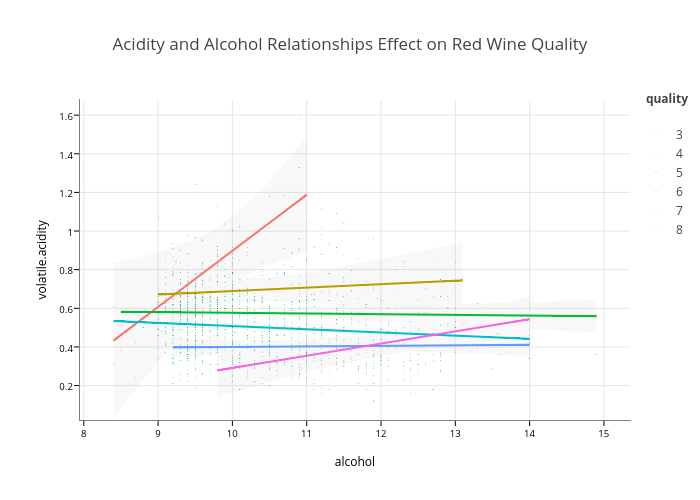
Alcohol Acidity Chart A Visual Reference of Charts Chart Master

Understanding Acidity in Wine Wine Folly

Understanding Acidity in Wine Wine Folly Wine chart, Wine folly

Red Wine Aging Chart (Best Practices) Wine Folly
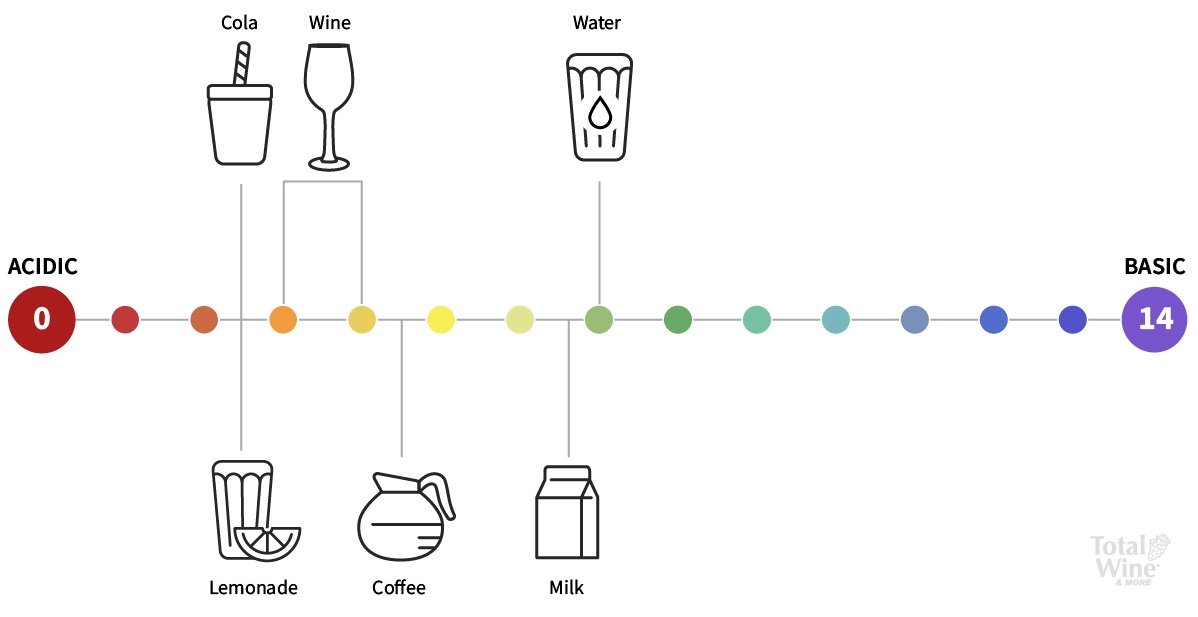
Wine Acidity What is acidity in wine? Total Wine & More
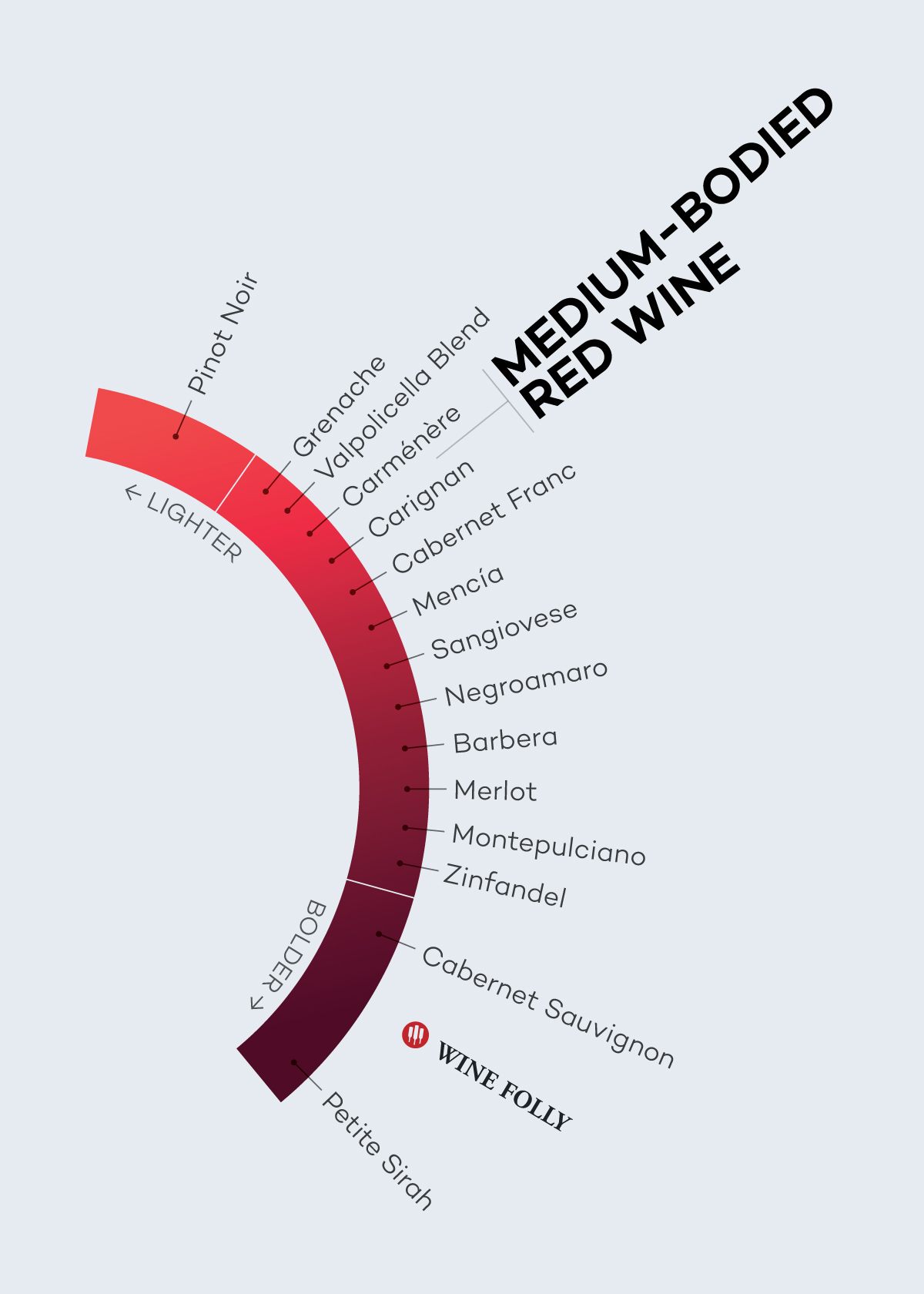
Acid Level Chart Of Wines

Red Wines From Lightest to Boldest (Chart) Wine Folly
Web Red Wines Generally Have Lower Acidity Levels Compared To White Wines, But Still Maintain A Balance Between Sweetness And Bitterness.
Average Ph Levels For Red Wine Types Are Between 3.5 And 3.8.
The Most Prevalent Acids Found In Wines Are Tartaric Acid, Malic Acid, And Citric Acid.
Web The Higher The Ph, The Lower The Acidity (And Riper A Wine Will Taste) And The Lower The Ph, The Higher Acidity (And More Tart A Wine Will Taste).
Related Post: