
Press Brake Tonnage Chart
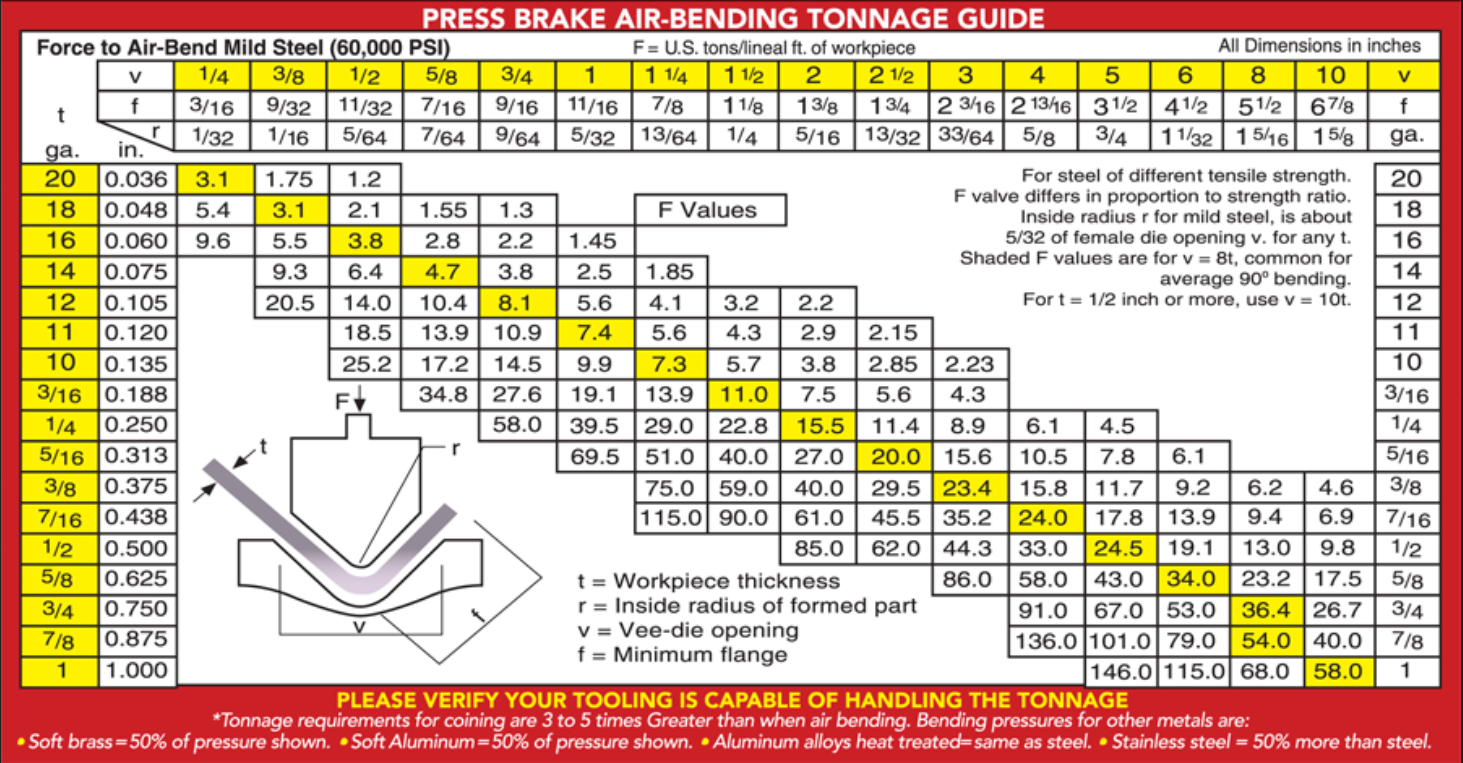
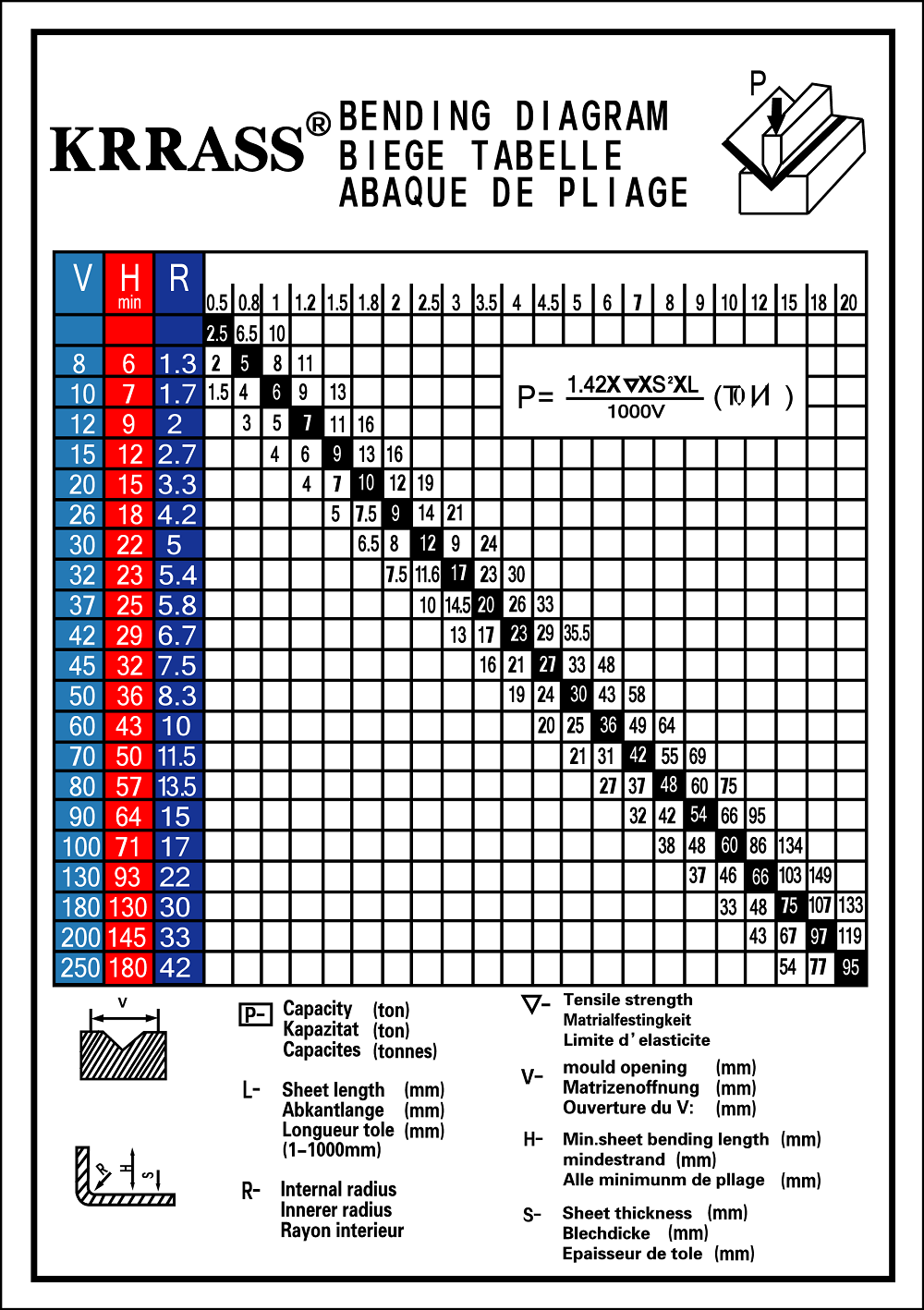
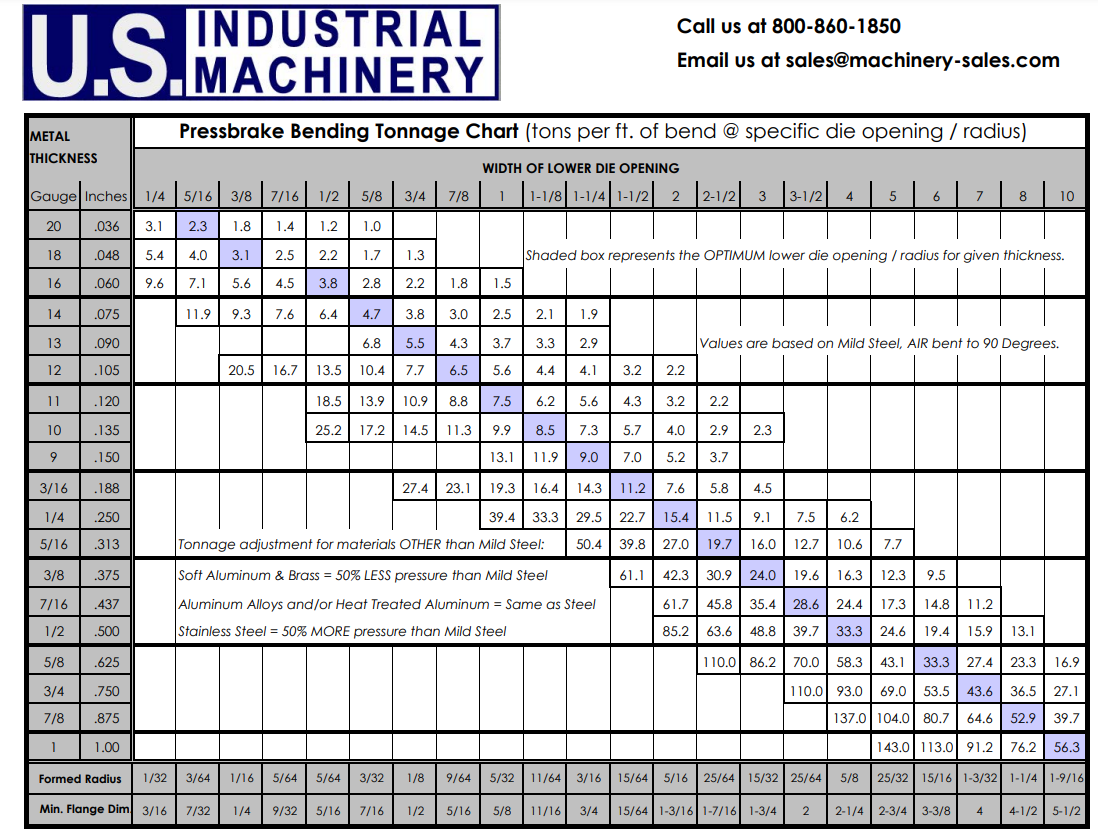
Press Brake Tonnage Chart - Required to make a 90 degree air bend in mild steel. The inside radius of a right angle bend is approximately equal to the thickness of the material. Perfect for fabricators and engineers, our accurate tool ensures precise bending force calculations for optimal metal forming results. This calculator is designed to estimate approximate press brake tonnage requirements for air bending. Width of lower die opening. It is only an estimate and not intended to be used as a recommendation. Web a press brake tonnage chart is a valuable tool that helps determine the required tonnage for bending different materials and thicknesses. (check out the quick reference press brake tonnage chart). These values are dependent upon the radius of the dies, the yield strength of the material, the temper of the material, the direction of. Punch with radius equal to metal thickness and die opening approximately 8 times the metal thickness. Web a press brake tonnage chart is a valuable tool that helps determine the required tonnage for bending different materials and thicknesses. Discover how to use these calculations to avoid common pitfalls, ensuring both the longevity of your equipment and the quality of your bends. Web the cincinnati press brake load calculator will calculate the tonnage to form a part with the variables of material type, vee die opening, bend length, and material thickness inputted. It is only an estimate and not intended to be used as a recommendation. Web the tonnages indicated in black boxes are the die openings 8 times metal thickness below 1/4, the tonnages indicated in red boxes are for die opening 10 times metal thickness of 1/4 and above. Shaded figures represent ideal conditions for light angle bending; Approximate pressure in tons per linear foot required to make 90 degree air bend in mild steel. Punch with radius equal to metal thickness and die opening approximately 8 times the metal thickness. Web press brake metric calculator of bending force and tonnage online with tonnage force chart and formulas to use. Now that you know the tonnage and length, you can configure your press brake with our online tool and receive a customised quote. Web uk based providers of press brake tooling and cnc press brake. Web the tonnages indicated in black boxes are the die openings 8 times metal thickness below 1/4, the tonnages indicated in red boxes are for die opening 10 times metal thickness of 1/4 and above. It takes into account factors such as the material type, thickness, and. The. Bending pressures required for other metals compared. Approximate pressure in tons per linear foot required to make 90 degree air bend in mild steel. Web press brake metric calculator of bending force and tonnage online with tonnage force chart and formulas to use. Required to make a 90 degree air bend in mild steel. Web calculate tonnage needed to bend. Web a press brake tonnage chart is a valuable tool that provides guidance on the appropriate tonnage required for different bending operations. Tensile mild steel on chart: Web calculate the tonnage of your press brake with our online calculator. Approximate pressure in tons per linear foot required to make 90 degree air bend in mild steel. Web this article dives. Web uk based providers of press brake tooling and cnc press brake. It is expressed in tons and represents the maximum amount of pressure that the. Then press a button and the exact tonnage is revealed to process a 90 degree air bend. Web calculate tonnage needed to bend your metal thickness using the press brake tonnage chart from american. Approximate pressure in tons per linear foot required to make 90 degree air bend in mild steel. Punch with radius equal to metal thickness and die opening approximately 8 times the metal thickness. Web a press brake tonnage chart is a valuable tool that helps determine the required tonnage for bending different materials and thicknesses. Web use this quick bending. Web the tonnages indicated in black boxes are the die openings 8 times metal thickness below 1/4, the tonnages indicated in red boxes are for die opening 10 times metal thickness of 1/4 and above. Width of lower die opening. Get accurate results quickly and easily. The charts to the right give the approximate pressure. Products include smooth planed, high. Web a press brake tonnage chart is a valuable tool that helps determine the required tonnage for bending different materials and thicknesses. Required to make a 90 degree air bend in mild steel. Web the cincinnati press brake load calculator will calculate the tonnage to form a part with the variables of material type, vee die opening, bend length, and. Web uk based providers of press brake tooling and cnc press brake. This calculator is designed to estimate approximate press brake tonnage requirements for air bending. (check out the quick reference press brake tonnage chart). Web the following press brake tonnage chart is used by many press brake manufacturers both in china and abroad countries. Get accurate results quickly and. Web press brake tonnage calculator is a measure of the amount of force a press brake can exert on a piece of metal during the bending process. It takes into account factors such as the material type, thickness, and. Discover how to use these calculations to avoid common pitfalls, ensuring both the longevity of your equipment and the quality of. Approximate pressure in tons per linear foot required to make 90 degree air bend in mild steel. Get accurate results quickly and easily. Punch with radius equal to metal thickness and die opening approximately 8 times the metal thickness. Discover how to use these calculations to avoid common pitfalls, ensuring both the longevity of your equipment and the quality of. Web uk based providers of press brake tooling and cnc press brake. Web the tonnages indicated in black boxes are the die openings 8 times metal thickness below 1/4, the tonnages indicated in red boxes are for die opening 10 times metal thickness of 1/4 and above. Web disclaimer | instructions site solution by new creation consulting Web press brake tonnage calculator is a measure of the amount of force a press brake can exert on a piece of metal during the bending process. It is only an estimate and not intended to be used as a recommendation. Shaded figures represent ideal conditions for light angle bending; (check out the quick reference press brake tonnage chart). Approximate pressure in tons per linear foot required to make 90 degree air bend in mild steel. Get accurate results quickly and easily. Then press a button and the exact tonnage is revealed to process a 90 degree air bend. Width of lower die opening. Web a press brake tonnage chart is a valuable tool that provides guidance on the appropriate tonnage required for different bending operations. Required to make a 90 degree air bend in mild steel. Discover how to use these calculations to avoid common pitfalls, ensuring both the longevity of your equipment and the quality of your bends. These values are dependent upon the radius of the dies, the yield strength of the material, the temper of the material, the direction of. The inside radius of a right angle bend is approximately equal to the thickness of the material.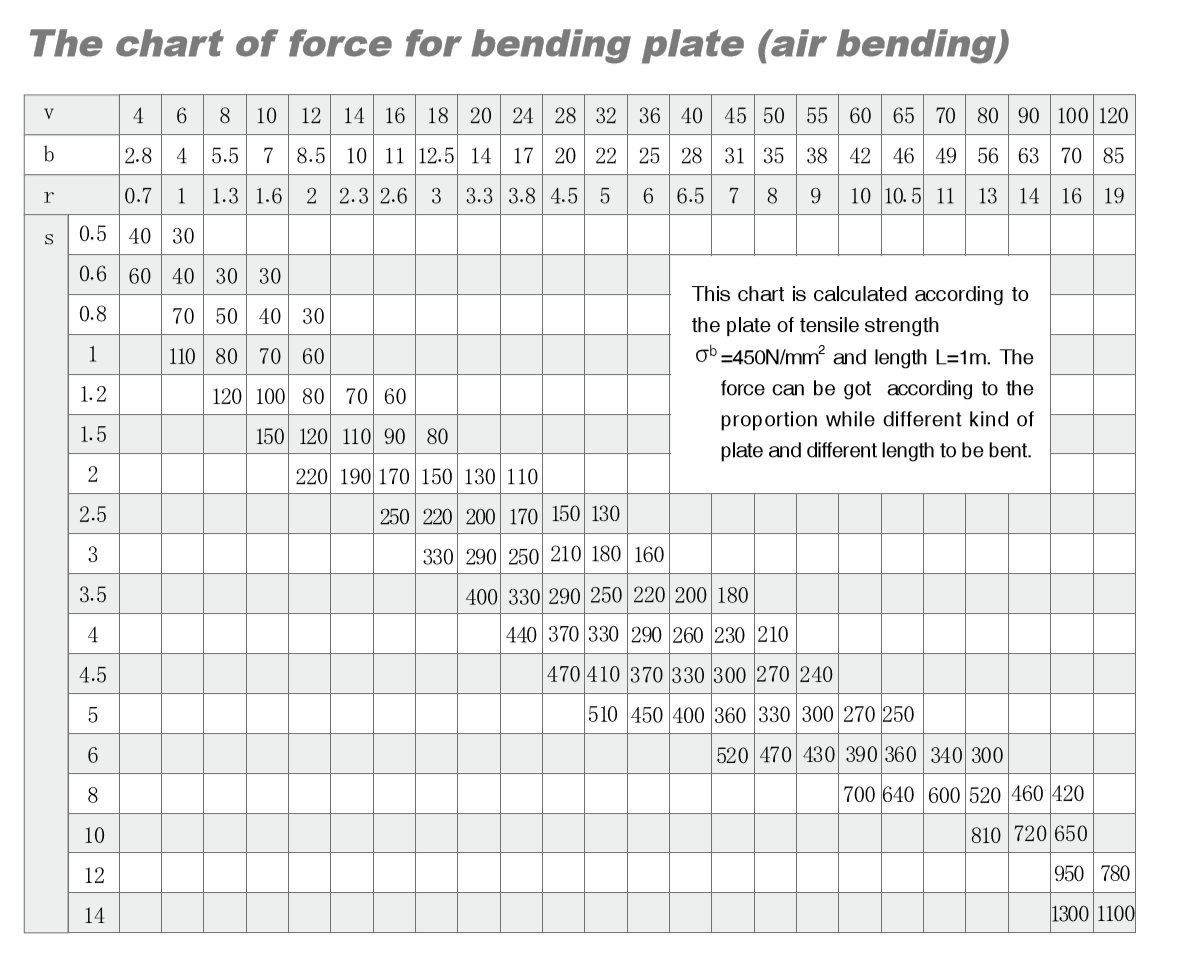
Press Brake Tonnage Calculation Metalforming Tonnage Chart

Useful Charts Resources Hweiss Machinery & Supply
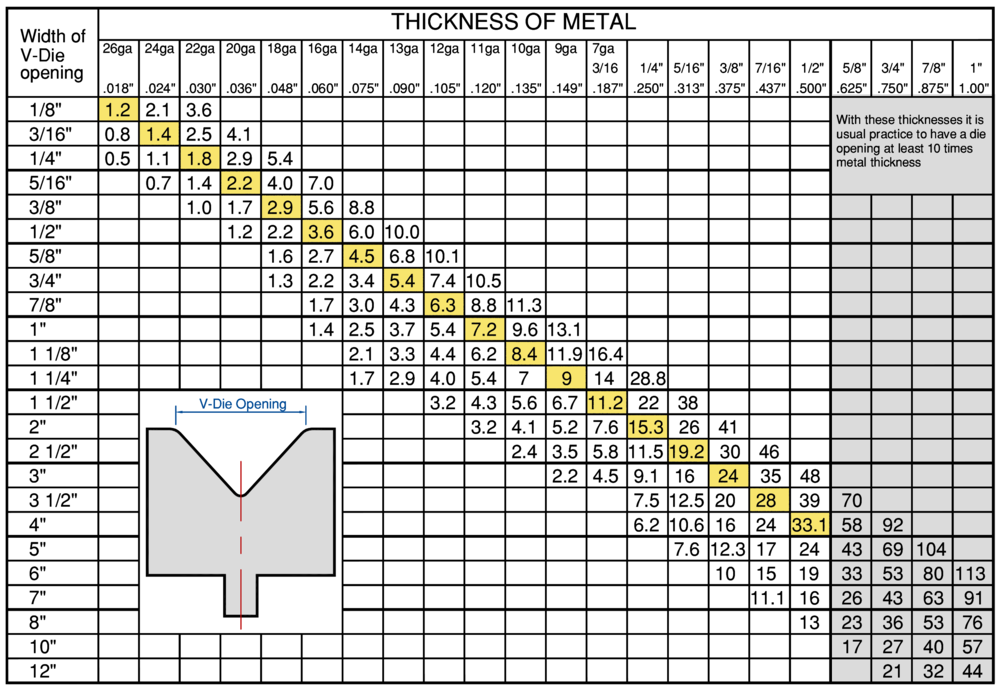
FAQ — Power Brake Dies
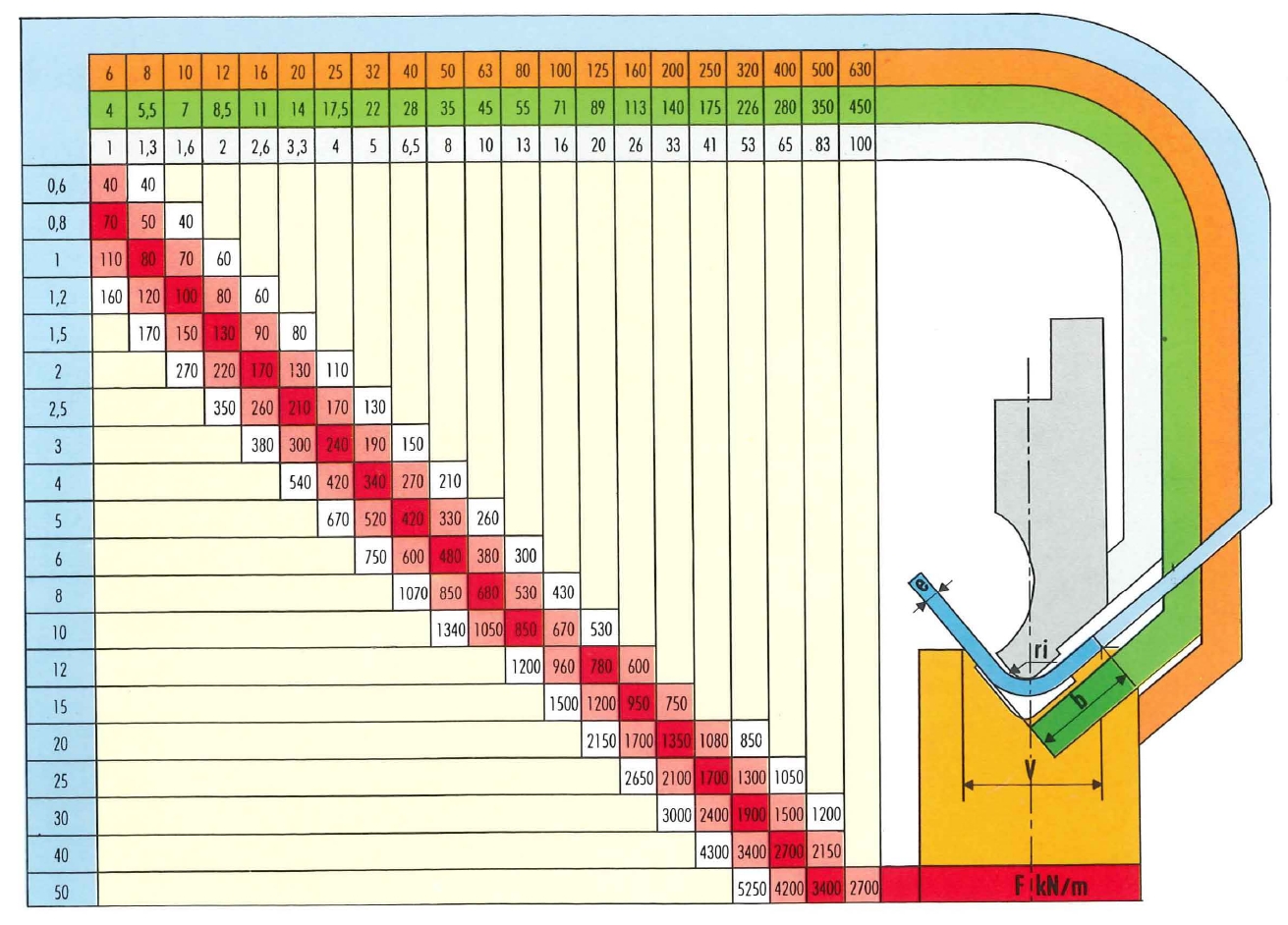
Hydraulic PressBrake

What is a press brake and why do I need one?
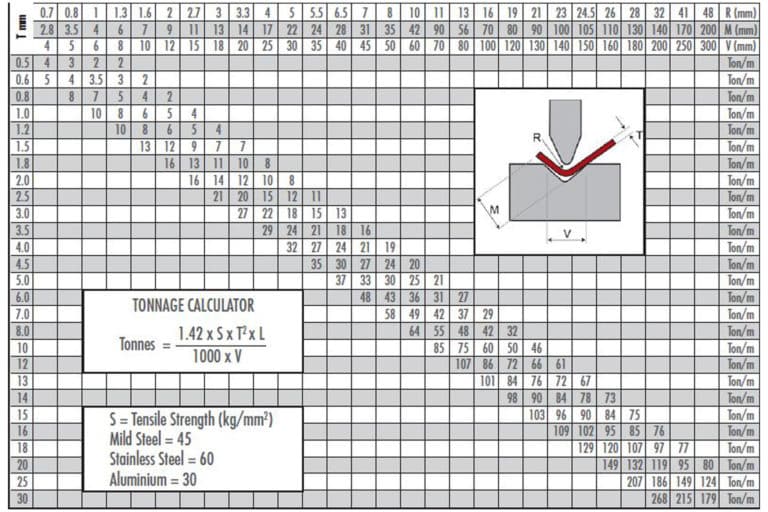
Press Brake Toolings, A Guide to Punches and Dies Selmach™
Titan 25T CNC Press brake

How to Calculate Press Brake Tonnage BLMA machinery
Press Brake Tonnage Chart
Press Brake Machines, Memphis, TN U.S. Industrial Machinery
Bending Pressures Required For Other Metals Compared.
Pressbrake Bending Tonnage Chart (Tons Per Ft.
Web Calculate Tonnage Needed To Bend Your Metal Thickness Using The Press Brake Tonnage Chart From American Machine Tools Company.
Perfect For Engineers And Fabricators.
Related Post: