
Pool Chemical Levels Chart
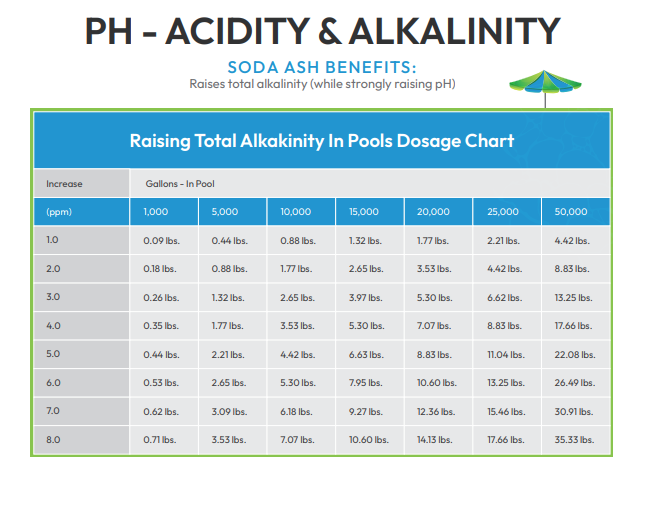
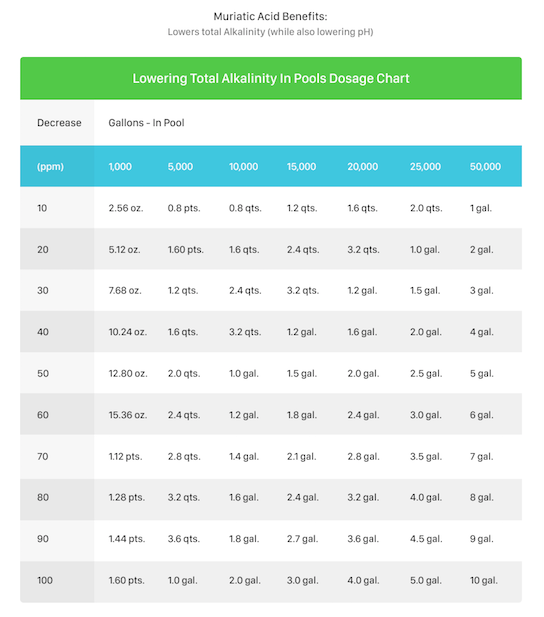
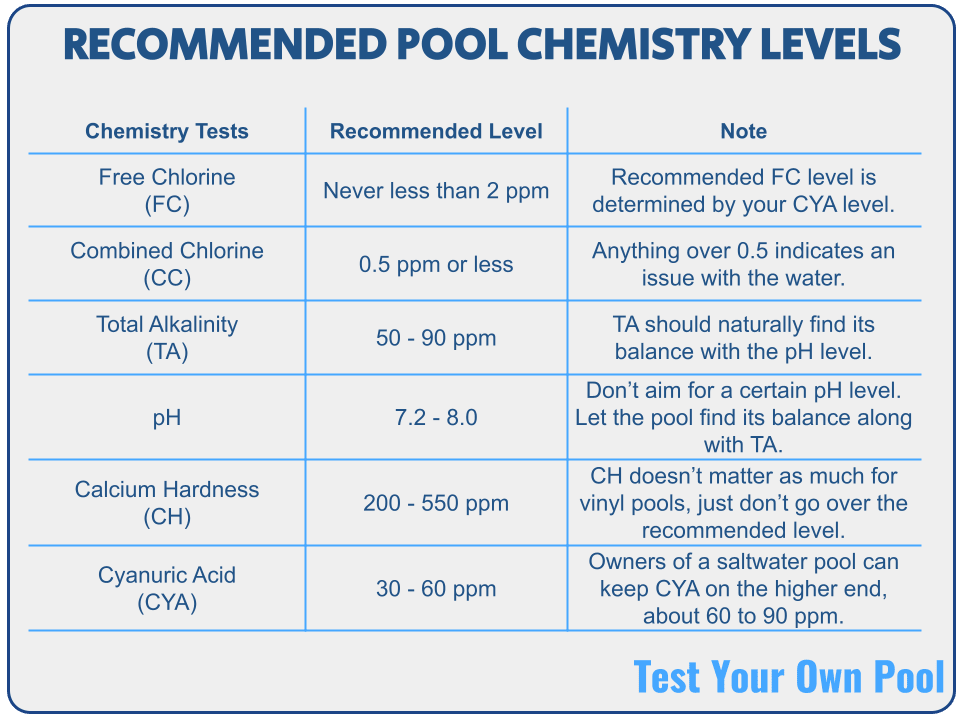
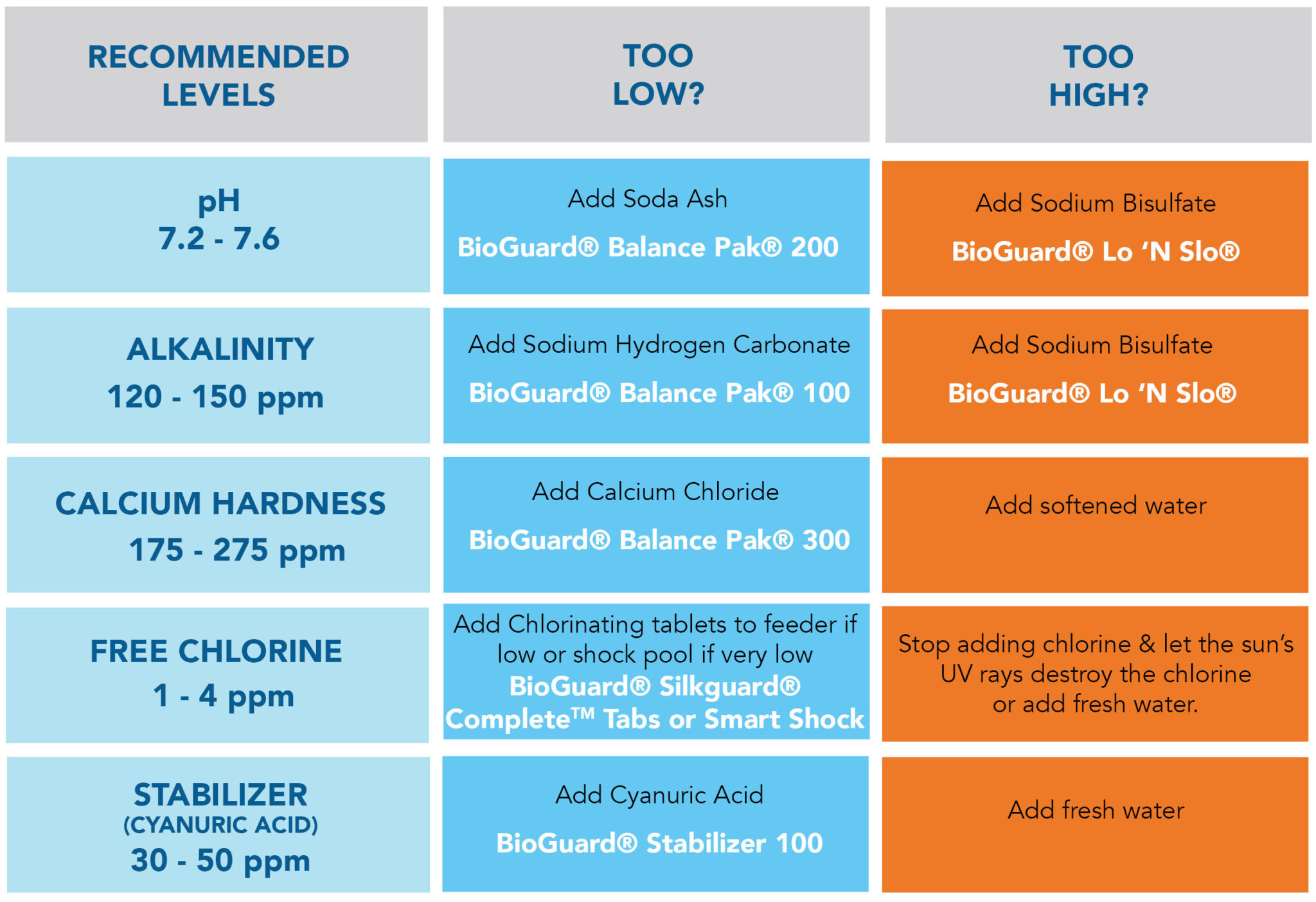
Pool Chemical Levels Chart - Web every pool owner needs to know how to maintain the ph and chlorine levels. Most pool owners know how to chlorinate their pool or treat for algae if needed at opening. How much calcium is present in the water. Get answers to questions like “how much liquid chlorine to add to pool?” or “how much muriatic acid to add to pool?” Keeping your pool’s chemistry balanced is the main way you can keep your pool water healthy and safe, and there are a few factors that includes: What is your pool volume? The two main ways you can fill a pool are from your backyard garden hose or through a water delivery service. Web if you know which pool chemicals to use and when, and how to balance your pool chemistry, you're well on your way to being an expert pool owner. What is a shock treatment and how often should it be performed? This table summarizes the levels that are recommended by the association of pool and spa professionals (apsp). But, do you know what the optimal levels are? With my calculator and aquachek strips, you can balance your water, and. What is your pool volume? Which ph decreaser are you using? After calculating the pool volume, use the other pool calculators to help balance the other pool chemicals. Web the guide that follows includes dosage charts, which specify exact amounts of pool chemicals for different situations. Balancing the other key elements in your pool chemistry, such as ph, stabilizer, calcium hardness, and total alkalinity levels, can be more confusing. Ideal pool water chemical levels. What is a shock treatment and how often should it be performed? I don't know my pool volume. This table summarizes the levels that are recommended by the association of pool and spa professionals (apsp). I don't know my pool volume. After calculating the pool volume, use the other pool calculators to help balance the other pool chemicals. Web the scale goes from 1 (very acidic) to 14 (very alkaline), with 7 being neutral. Total alkalinity acts as. Web the guide that follows includes dosage charts, which specify exact amounts of pool chemicals for different situations. Web make sure you have pool water test strips or a test kit handy, then follow these pool chemical dosing charts so you will know exactly which chemicals you will need to add and how much of each is needed to bring. The ultimate chemistry calculator for pool owners. Web if you know which pool chemicals to use and when, and how to balance your pool chemistry, you're well on your way to being an expert pool owner. Low ch indicates soft water, which causes erosion, etching, and pitting of stone, tile, grout, plaster, pebble, and concrete pool surfaces. Keeping your pool’s. In this guide, we will delve into fundamental aspects of pool chemistry, covering essentials such as pool sanitizers, balancers, the role of pool shock, testing, and more. Use this pool ph dosage chart to determine how to properly. Web here are the pool chemical level charts for the most common chemicals! Use this pool ph dosage chart to determine the. The only requirements for the. Use this pool ph dosage chart to determine the correct amount of pool ph adjustment chemical to add for a desired change in ph level. Low ch indicates soft water, which causes erosion, etching, and pitting of stone, tile, grout, plaster, pebble, and concrete pool surfaces. Spend less time maintaining your pool and more time. Making sure pool chemicals and other factors are within their proper ranges will ensure that your pool always has clean and comfortable water. Web every pool owner needs to know how to maintain the ph and chlorine levels. Ideal pool water chemical levels. Web the optimal ph range for pool water is between 7.2 and 7.6. The two main ways. Spend less time maintaining your pool and more time enjoying it. This table summarizes the levels that are recommended by the association of pool and spa professionals (apsp). Web the poolhop pool chemistry calculator is a free tool that allows you to quickly and easily test your swimming pool water chemistry using any test kit. We’ll cover all this and. Balancing the other key elements in your pool chemistry, such as ph, stabilizer, calcium hardness, and total alkalinity levels, can be more confusing. Web by consistently testing and balancing your pool's chemical levels, you can avoid major issues and enjoy more swim time. When checking & balancing your. It keeps your ph stable. Web a pool that is balanced has. We’ll cover all this and more! Web if you know which pool chemicals to use and when, and how to balance your pool chemistry, you're well on your way to being an expert pool owner. Enter your pool volume, select your pool surface finish, and choose from any of the integrated test kits to get started. Ideal pool water chemical. Web what are the recommended water chemistry levels for my pool? What do you want to do? Ideal pool water chemical levels. A ph level simply refers to the acidity of the water. Web you could always go to your local pool store with a water sample, but they are in the business of selling chemicals, name brand chemicals. You can almost think of alkalinity as adding a layer of armor to your ph, absorbing fluctuations caused by external factors like rain, debris, or body oils. Web every pool owner needs to know how to maintain the ph and chlorine levels. Web if you’re filling a saltwater pool for the first time or if you’re refilling your pool, you’re effectively starting over in terms of pool chemistry. How often should you test your pool water? But, do you know what the optimal levels are? Web the poolhop pool chemistry calculator is a free tool that allows you to quickly and easily test your swimming pool water chemistry using any test kit. Total alkalinity (ta) measures the alkalinity in the water. Keeping your pool’s chemistry balanced is the main way you can keep your pool water healthy and safe, and there are a few factors that includes: Total alkalinity acts as a buffer, helping to stabilize the ph level of the pool water and prevent rapid ph fluctuations. It keeps your ph stable. Web in this ultimate guide to perfect pool chemistry, we’ll cover everything you need to know about maintaining optimal chemical balance in your pool, including how to test and adjust your pool’s ph levels, how to balance alkalinity and calcium hardness, and how to keep your pool clean and clear with the right amount of chlorine. Web the optimal ph range for pool water is between 7.2 and 7.6. Web the guide that follows includes dosage charts, which specify exact amounts of pool chemicals for different situations. Web you could always go to your local pool store with a water sample, but they are in the business of selling chemicals, name brand chemicals. Web pool season is close! I don't know my pool volume.
How Often Should You Test Your Water Hayward POOLSIDE Blog

Printable Pool Chemical Chart

Pool Chemical Levels Chart
Pool Chemistry Guide & Water Chemicals Chart Wild West
Pool Chemistry Guide & Water Chemicals Chart Wild West

Pool Water Test Chart
Pool Chemistry How to Balance Pool Water Test Your Own Pool

Pool Chemical Level Chart

Pool Chemical Basics Water Alkalinity (TA, ALK) Poolsure An
Water Chemistry Tips + Cheat Sheet Zagers Pool & Spa
Enter Your Pool Volume, Select Your Pool Surface Finish, And Choose From Any Of The Integrated Test Kits To Get Started.
A Ph Level Simply Refers To The Acidity Of The Water.
Web Make Sure You Have Pool Water Test Strips Or A Test Kit Handy, Then Follow These Pool Chemical Dosing Charts So You Will Know Exactly Which Chemicals You Will Need To Add And How Much Of Each Is Needed To Bring Your Pool Water To The Recommended Levels For Safe And Sanitary Swimming In Sparkling Clear Water.
When Checking & Balancing Your.
Related Post: