
Normal Aorta Size Chart
Normal Aorta Size Chart - The authors report that increasing age and body surface area correlated directly with aortic size. Your descending aorta is the longest part of your aorta, which is the largest artery in your body. The normal ascending aortic diameter is 2 to 3 cm depending on patient age, size, and sex. The normal range has to be corrected for age and sex, as well as daily workload. Web the number of plots required to represent normal aortic diameters at various levels—in male and female patients, across multiple categories of age, across multiple ethnic groups—quickly becomes unwieldy. 1 the normal diameter of the abdominal aorta is regarded to be less than 3.0 cm. For women, diameters are smaller by approximately 3 to 5 mm. Complications of abdominal aortic aneurysms. It’s about 3 to 4 centimeters wide. Web normal values of aortic root size according to age, sex and race: It then bifurcates into the two common iliac arteries. 1 the normal diameter of the abdominal aorta is regarded to be less than 3.0 cm. It starts from the diaphragm as a continuation of the descending aorta and gives off branches to supply multiple organs. Web normal values of aortic root size according to age, sex and race: The authors report that increasing age and body surface area correlated directly with aortic size. Web the normal diameter of the ascending aorta has been defined as <<strong>2.1 cm</strong>/m 2 and of the descending aorta as <1.6 cm/m 2. Web what is the normal size of the ascending aorta? Web the importance of aortic diameter in determining risk for complications has been demonstrated in numerous studies. Web the average diameter of the abdominal aorta is about 2 cm, according to the american heart association. The analogous statistical test is the z score. The abdominal aorta length is approximately 13 cm [ 1 ]. Web by adulthood, the average diameter of the abdominal aorta is approximately 27 mm at the diaphragm, tapering to approximately 21 mm at the iliac bifurcation. Web the authors set upper limits for normal diameter of the aorta at very reasonable values: Web the importance of aortic diameter in. It’s about 3 to 4 centimeters wide. In international guidelines, risk estimation for thoracic ascending aortic aneurysm (taaa) is based on aortic diameter. It then bifurcates into the two common iliac arteries. Results of the world alliance of societies of echocardiography study. We previously introduced the aortic size index (asi), defined as aortic size/body surface area (bsa), as a predictor. Web our results from the wase normal values study provide normal reference ranges for aortic dimensions, which differ according to sex, age, and race. Web by adulthood, the average diameter of the abdominal aorta is approximately 27 mm at the diaphragm, tapering to approximately 21 mm at the iliac bifurcation. Web nomograms to predict normal aortic root diameter for body. Results of the world alliance of societies of echocardiography study. The ascending aorta is about 5 to 8 centimeters (or close to 2 to 3 inches) long. Web age, gender, and body size have been shown to be the important determinants of aa diameter ( 1, 2 ). Web aortic aneurysm treatment is not always necessary, but the aortic aneurysm. What is the descending aorta? The authors report that increasing age and body surface area correlated directly with aortic size. Web our results from the wase normal values study provide normal reference ranges for aortic dimensions, which differ according to sex, age, and race. The abdominal aorta is the largest artery in the abdomen; Web the authors set upper limits. It then bifurcates into the two common iliac arteries. Web the importance of aortic diameter in determining risk for complications has been demonstrated in numerous studies. Web age, gender, and body size have been shown to be the important determinants of aa diameter ( 1, 2 ). The abdominal aorta length is approximately 13 cm [ 1 ]. Web the. The analogous statistical test is the z score. Web large registries show that almost 40% of patients with acute type a dissection patients have aortic diameters (ad) smaller than 50 mm, and 50% of all patients with atad and normal ad (<40 mm) have no known risk factor [. Web aortic aneurysm treatment is not always necessary, but the aortic. The ascending aorta is about 5 to 8 centimeters (or close to 2 to 3 inches) long. Results of the world alliance of societies of echocardiography study. Web aortic aneurysm treatment is not always necessary, but the aortic aneurysm size and rate of growth dictate treatment. Web our results from the wase normal values study provide normal reference ranges for. Your descending aorta is the longest part of your aorta, which is the largest artery in your body. In international guidelines, risk estimation for thoracic ascending aortic aneurysm (taaa) is based on aortic diameter. Web the normal diameter of the ascending aorta has been defined as <<strong>2.1 cm</strong>/m 2 and of the descending aorta as <1.6 cm/m 2. For women,. The abdominal aorta is the largest artery in the abdomen; It’s about 3 to 4 centimeters wide. Web what is the normal size of the ascending aorta? Web normal values of aortic root size according to age, sex and race: Results of the world alliance of societies of echocardiography study. The abdominal aorta is the largest artery in the abdomen; Web the importance of aortic diameter in determining risk for complications has been demonstrated in numerous studies. Complications of abdominal aortic aneurysms. Web age, gender, and body size have been shown to be the important determinants of aa diameter ( 1, 2 ). Web specific to size, a normal aortic valve area is >2 centimeters squared (cm2). It also branches off into smaller arteries in many places to supply blood to other parts of your body. For women, diameters are smaller by approximately 3 to 5 mm. 3 of all taa, aneurysms of the aortic. Web the authors set upper limits for normal diameter of the aorta at very reasonable values: The normal ascending aortic diameter is 2 to 3 cm depending on patient age, size, and sex. Web normal values of aortic root size according to age, sex and race: Web the average diameter of the abdominal aorta is about 2 cm, according to the american heart association. Web the size of a given segment of the thoracic aorta is influenced by age, sex, height, and body size. Web our results from the wase normal values study provide normal reference ranges for aortic dimensions, which differ according to sex, age, and race. Web nomograms to predict normal aortic root diameter for body surface area (bsa) in broad ranges of age have been widely used, but are limited by lack of consideration of gender effects, jumps in upper limits of aortic diameter between age strata, and data from older teenagers. Web our results from the wase normal values study provide normal reference ranges for aortic dimensions, which differ according to sex, age, and race.
Normal Sizes for Aortic Segments by Sex and Imaging GrepMed

Normal Size Of Ascending Aorta

Ascending Aorta Normal Size Renew Physical Therapy
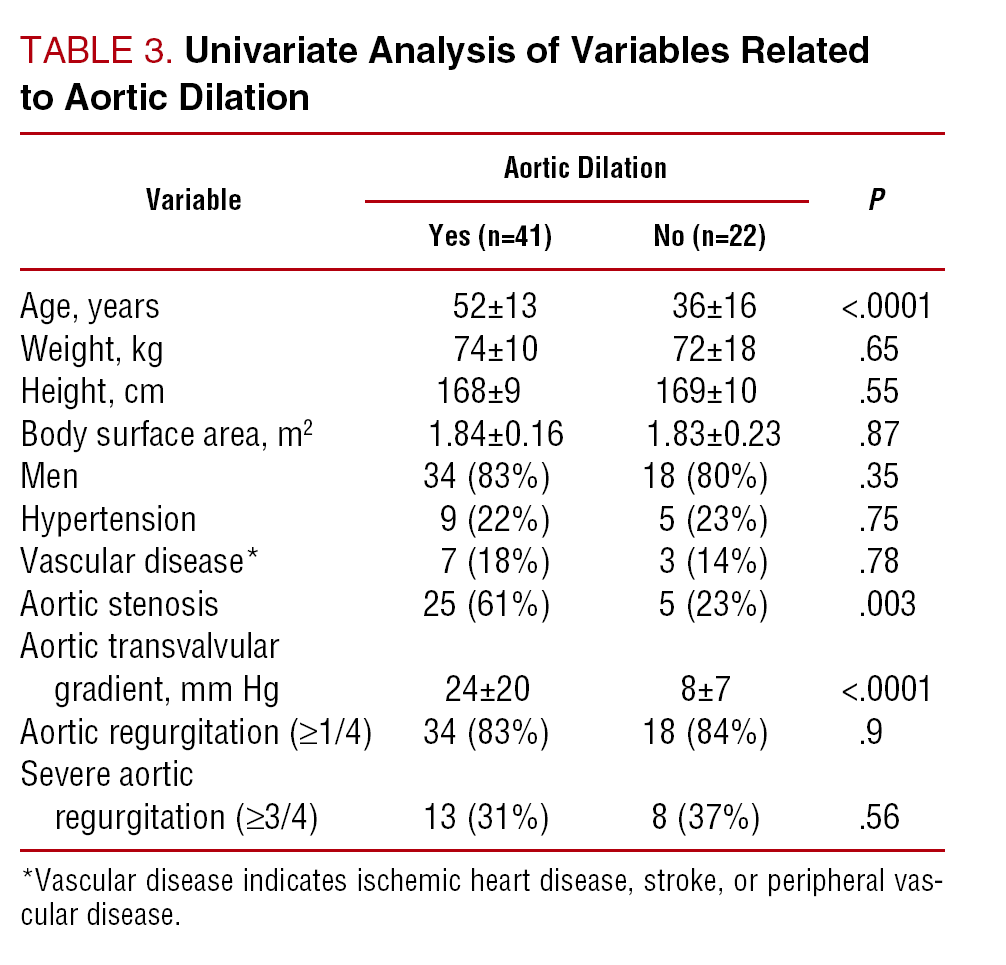
Age Aorta Size Chart

Ascending Aorta Normal Size Renew Physical Therapy

Normal Aorta Size Chart

Normal Aortic Root Size Chart

Normal Aorta Size Chart

Normal Aorta Size Chart
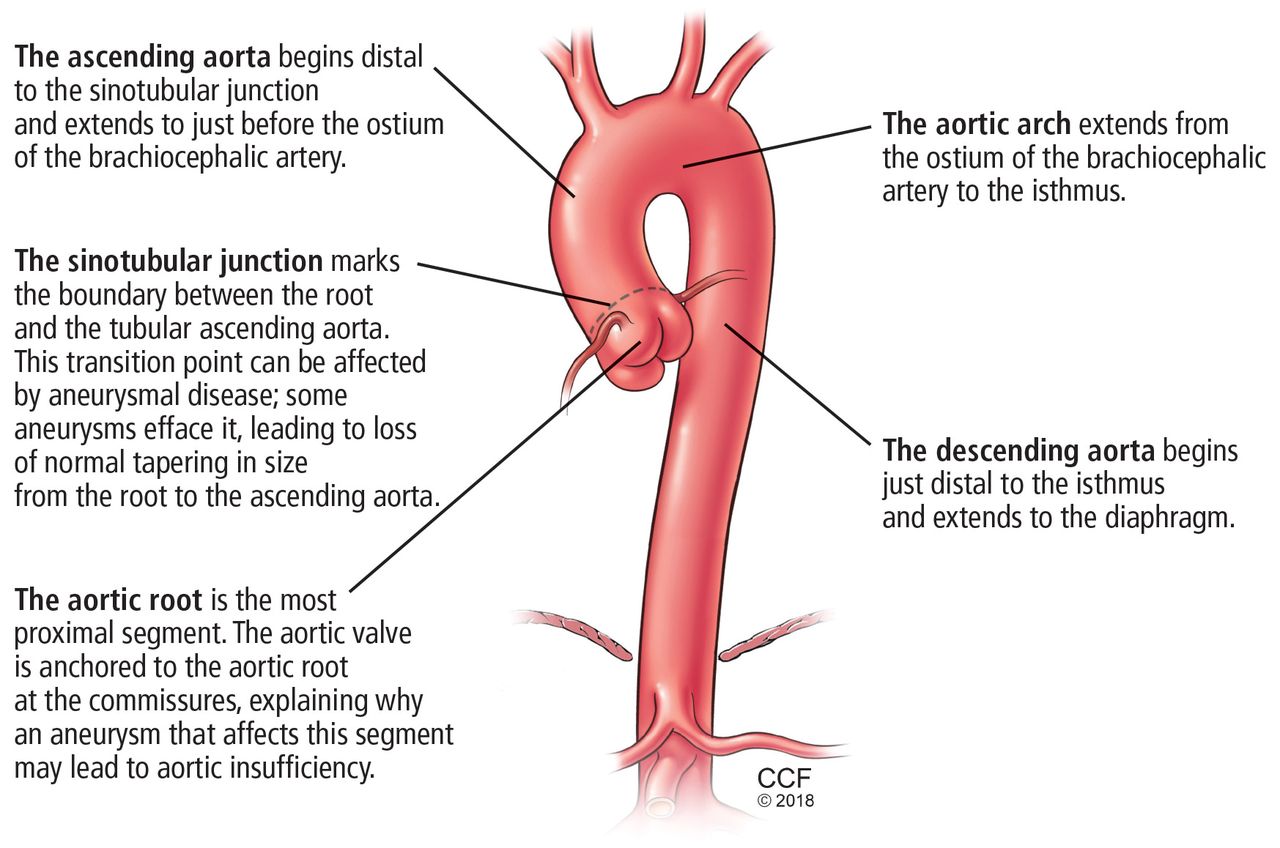
Ascending Aorta Normal Size Renew Physical Therapy
It Then Bifurcates Into The Two Common Iliac Arteries.
The Ascending Aorta Is About 5 To 8 Centimeters (Or Close To 2 To 3 Inches) Long.
Web By Adulthood, The Average Diameter Of The Abdominal Aorta Is Approximately 27 Mm At The Diaphragm, Tapering To Approximately 21 Mm At The Iliac Bifurcation.
Your Descending Aorta Is The Longest Part Of Your Aorta, Which Is The Largest Artery In Your Body.
Related Post: