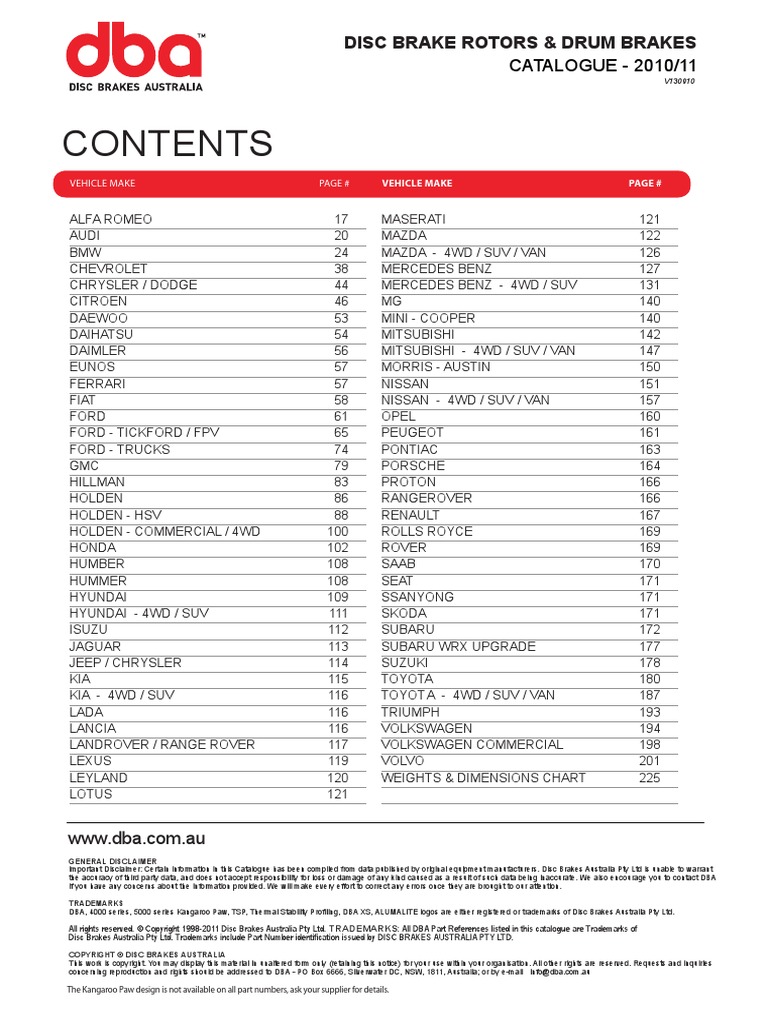
Minimum Rotor Thickness Chart
Minimum Rotor Thickness Chart - Aftermarket brake rotors can be anywhere from 12 to 17 inches, with sizes skewing more towards 14 to 16 inches. Web the minimum thickness for general inspection (motor vehicle inspection) is defined as follows: Web minimum brake pad and rotor thickness. Also inspect rotors for overheating, cracks and rust on braking surface. This tech article will go over measuring your brake rotors to see if they require replacing. If parallelism between rotor faces exceeds oem specs (generally about.0005 in.), or if the rotor is warped or has hard spots (which are often discolored blue or black), the rotor should be resurfaced or replaced. Web the 3 types of brake rotor thickness specs are: This is usually found on the hat (the central portion of the rotor), within the cooling veins, or on the outer edges. Web if your brake rotor passes thickness but you have a pulsation while using brakes, replace brake rotors. These specifications are not related to the ability of the rotor to absorb heat. Web what is brake rotor thickness and why does it matter? This section usually contains a chart indicating all. Web engraved on the side of your rotor you can find the minimum operational thickness. Web chrysler brake rotor and pad minimum specifications. Web the brake rotor minimum thickness chart is designed to help you determine the minimum thickness your rotors should be in order to be safe and effective for use. Web the discard or minimum thickness of a rotor is the dimension at which the rotor should be replaced. Check the rotor for a stamp or engraving indicating the minimum allowable thickness. Aftermarket brake rotors can be anywhere from 12 to 17 inches, with sizes skewing more towards 14 to 16 inches. Before you go swapping out your stock rotors for a larger set of aftermarket rotors, it is important to check your wheel clearances. Web sram rotors are usually 1.85mm thick to start with, although some of its 140mm rotors are 1.9mm, and they should be retired once they get down to 1.55mm. Different brands recommend different minimum thicknesses so check the details for. Web thin rotor blades can cause your car to lose traction and skid. When checking brake rotor thickness, measure the rotor in about 10 different spots. Aftermarket brake rotors can be anywhere from 12 to 17 inches, with sizes skewing more towards 14 to 16 inches. The lowest value. Most factory rotors and some aftermarket rotors will have a minimum thickness stamped on the rotor. This tech article will go over measuring your brake rotors to see if they require replacing. This section usually contains a chart indicating all. Hey everyone, i'm swapping my summer tires back on to the car on sunday, and i wanted to take a. Web if your brake rotor passes thickness but you have a pulsation while using brakes, replace brake rotors. The lowest value should be used as reference for the entire rotor. Web measurements should be taken in at least 4 different points. Before you go swapping out your stock rotors for a larger set of aftermarket rotors, it is important to. Before you go swapping out your stock rotors for a larger set of aftermarket rotors, it is important to check your wheel clearances. Hey everyone, i'm swapping my summer tires back on to the car on sunday, and i wanted to take a look at the brakes while i had the wheels off. Your rotor may exhibit signs of disc. Web measurements should be taken in at least 4 different points. Check the rotor for a stamp or engraving indicating the minimum allowable thickness. Web engraved on the side of your rotor you can find the minimum operational thickness. Web the discard or minimum thickness of a rotor is the dimension at which the rotor should be replaced. To accurately. Web measurements should be taken in at least 4 different points. As shown here in figure 1 the base brake article contains a section titled technical specifications. Hey everyone, i'm swapping my summer tires back on to the car on sunday, and i wanted to take a look at the brakes while i had the wheels off. Web andrew markel. Web locate the minimum thickness standard: Web follow specific steps and guidelines to accurately measure rotor thickness using a micrometer. If parallelism between rotor faces exceeds oem specs (generally about.0005 in.), or if the rotor is warped or has hard spots (which are often discolored blue or black), the rotor should be resurfaced or replaced. Web stock silverado brake rotors. Web stock silverado brake rotors can be anywhere from 12 to 15 inches depending upon the year and options. Web thin rotor blades can cause your car to lose traction and skid. Most factory rotors and some aftermarket rotors will have a minimum thickness stamped on the rotor. Aftermarket brake rotors can be anywhere from 12 to 17 inches, with. Adhere to minimum rotor thickness specifications, avoiding measurement near edges, slots, or holes. To accurately measure against the minimum thickness use a micrometer at th. These specifications are not related to the ability of the rotor to absorb heat. Web this minimum thickness is stamped on the edge of the rotor. Different brands recommend different minimum thicknesses so check the. Could you please help me to figure out what is the minimal thickness should be? Web the discard or minimum thickness of a rotor is the dimension at which the rotor should be replaced. This value should be compared with the number etched on the rotor and indicated with the wording min th = (minimum thickness), followed by the value. Web follow specific steps and guidelines to accurately measure rotor thickness using a micrometer. Web most specifications for rotor thickness are found in the “base brake” articles. Web engraved on the side of your rotor you can find the minimum operational thickness. Web if your brake rotor passes thickness but you have a pulsation while using brakes, replace brake rotors. Web to measure your rotor’s minimum operational thickness, place a micrometer at the thinnest point on the rotor’s surface where it meets the brake pads. It lists the recommended minimums for different kinds of cars, such as sedans, suvs, trucks, and more. Does anyone know what the minimum pad and rotor thickness for the front and rear brakes are for the accent? Web thin rotor blades can cause your car to lose traction and skid. Nominal size thickness minus 1.6 mm. This is usually found on the hat (the central portion of the rotor), within the cooling veins, or on the outer edges. Web andrew markel visits minimum wear specification on brake rotors and how the specification is related to brake pad wear and how far the caliper has to push the pads. Before you go swapping out your stock rotors for a larger set of aftermarket rotors, it is important to check your wheel clearances. This tech article will go over measuring your brake rotors to see if they require replacing. This value should be compared with the number etched on the rotor and indicated with the wording min th = (minimum thickness), followed by the value in millimetres. Modern brake rotors are thinner than older models to reduce weight and costs, making them more susceptible to damage. Web thickness must be checked with a micrometer at six or more points around the rotor.
Ford F150 Brake Rotor Minimum Thickness
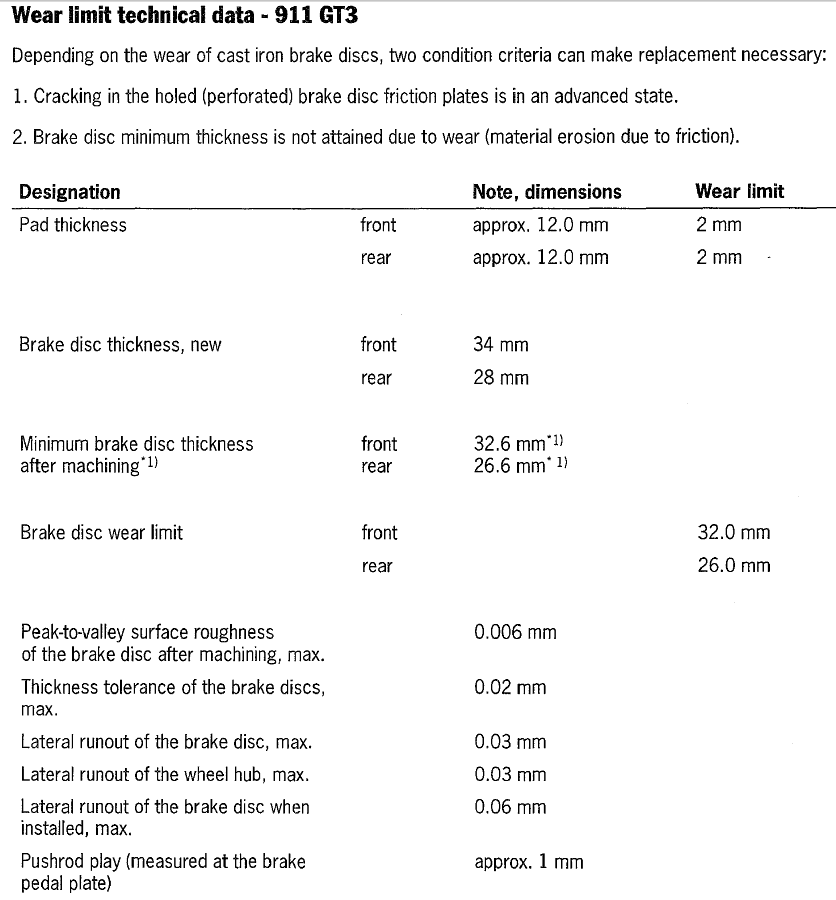
Disc Rotor Minimum Thickness Chart A Visual Reference of Charts

Minimum Thickness Brake Rotors Chart
Rotor Minimum Thickness Chart

minimum rotor thickness chart ford Focus

Brake Rotor Thickness Specifications Chart

Minimum Rotor Thickness Chart Toyota A Visual Reference of Charts

Minimum Rotor Thickness Honda Odyssey / Repair Guides Measure the
Minimum Rotor Thickness Chart
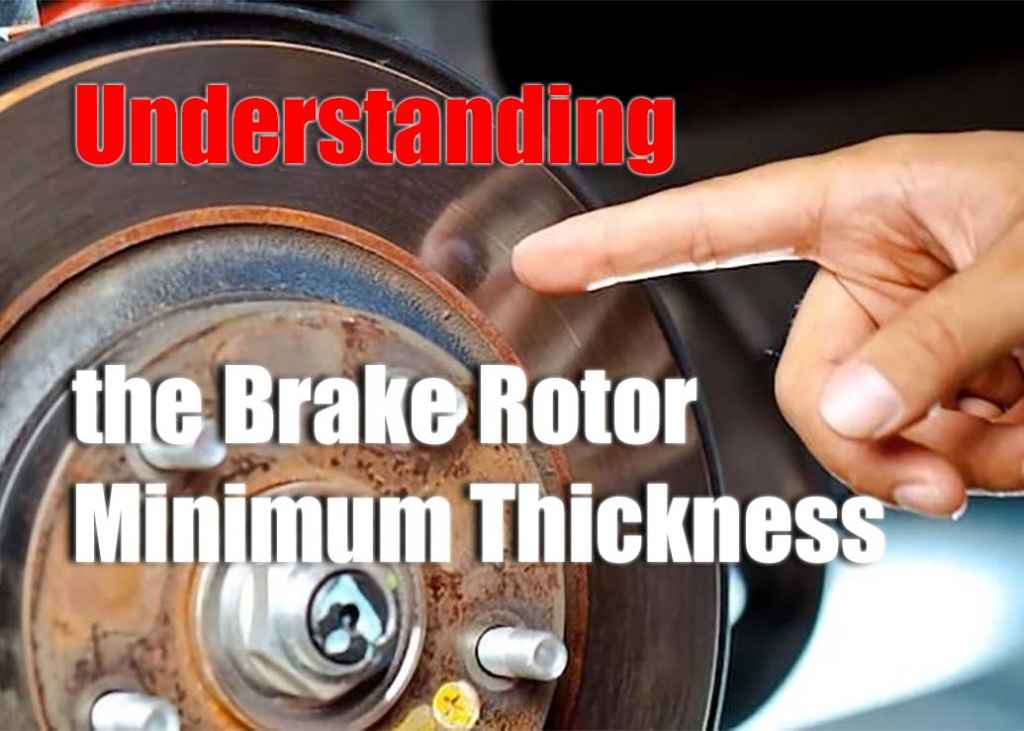
Understanding the Brake Rotor Minimum Thickness Chart
Web Minimum Brake Pad And Rotor Thickness.
Your Rotor May Exhibit Signs Of Disc Thickness Variation (Dtv).
Web The 3 Types Of Brake Rotor Thickness Specs Are:
Web Measurements Should Be Taken In At Least 4 Different Points.
Related Post: