
Metal Roofing Gauge Chart
Metal Roofing Gauge Chart - By understanding the nuances of. Thicker gauges offer more durability and resistance to elements. Where you’re located, your building’s structure, your area’s climate, and more are all factors. Web looking for the correct gauge for your corrugated metal roof? Roof panels vary in thickness from 22 gauge to 29 gauge. Out of these four gauges, 24 gauge and 26 gauge are the most widely used. There are pros and cons to each. We discuss how metal gauge affects installation and compare the different gauges. Web common gauges for steel roofing range from 22 to 29 gauge, with 29 being thinner and 22 being thicker. Web the gauge of metal roofing you should use depends on your needs. Web manufacturers in the united states use gauge to express the thickness of metal roof panels. Out of these four gauges, 24 gauge and 26 gauge are the most widely used. Web looking for the correct gauge for your corrugated metal roof? Web the gauge of metal roofing you should use depends on your needs. We discuss how metal gauge affects installation and compare the different gauges. Roof panels vary in thickness from 22 gauge to 29 gauge. Thicker gauges offer more durability and resistance to elements. Where you’re located, your building’s structure, your area’s climate, and more are all factors. By understanding the nuances of. Web the most popular options are 22, 24, 26, and 29. Out of these four gauges, 24 gauge and 26 gauge are the most widely used. By understanding the nuances of. Web the gauge of metal roofing you should use depends on your needs. Web looking for the correct gauge for your corrugated metal roof? Where you’re located, your building’s structure, your area’s climate, and more are all factors. Web the most common gauges you’ll find are 22, 24, 26, and 29, with each having unique characteristics, advantages, and potential challenges. There are pros and cons to each. Thicker gauges offer more durability and resistance to elements. Web the most common gauge sizes for metal roofing are 22, 24, 26, and 29. Web looking for the correct gauge for. Web the most common gauge sizes for metal roofing are 22, 24, 26, and 29. By understanding the nuances of. Web the most popular options are 22, 24, 26, and 29. There are pros and cons to each. Web the gauge of metal roofing you should use depends on your needs. Thicker gauges offer more durability and resistance to elements. Out of these four gauges, 24 gauge and 26 gauge are the most widely used. Web the gauge of metal roofing you should use depends on your needs. Web manufacturers in the united states use gauge to express the thickness of metal roof panels. Roof panels vary in thickness from 22. Web the most common gauge sizes for metal roofing are 22, 24, 26, and 29. Where you’re located, your building’s structure, your area’s climate, and more are all factors. Web manufacturers in the united states use gauge to express the thickness of metal roof panels. Web looking for the correct gauge for your corrugated metal roof? By understanding the nuances. Web common gauges for steel roofing range from 22 to 29 gauge, with 29 being thinner and 22 being thicker. Web the most common gauges you’ll find are 22, 24, 26, and 29, with each having unique characteristics, advantages, and potential challenges. Thicker gauges offer more durability and resistance to elements. By understanding the nuances of. Web the most common. Web the most popular options are 22, 24, 26, and 29. Thicker gauges offer more durability and resistance to elements. Roof panels vary in thickness from 22 gauge to 29 gauge. Where you’re located, your building’s structure, your area’s climate, and more are all factors. Web the most common gauge sizes for metal roofing are 22, 24, 26, and 29. Web the most common gauge sizes for metal roofing are 22, 24, 26, and 29. By understanding the nuances of. Where you’re located, your building’s structure, your area’s climate, and more are all factors. Web common gauges for steel roofing range from 22 to 29 gauge, with 29 being thinner and 22 being thicker. Out of these four gauges, 24. By understanding the nuances of. Where you’re located, your building’s structure, your area’s climate, and more are all factors. Web looking for the correct gauge for your corrugated metal roof? Web the most common gauge sizes for metal roofing are 22, 24, 26, and 29. Web common gauges for steel roofing range from 22 to 29 gauge, with 29 being. Out of these four gauges, 24 gauge and 26 gauge are the most widely used. Web looking for the correct gauge for your corrugated metal roof? Web the gauge of metal roofing you should use depends on your needs. Thicker gauges offer more durability and resistance to elements. Web common gauges for steel roofing range from 22 to 29 gauge,. Web the most popular options are 22, 24, 26, and 29. Web manufacturers in the united states use gauge to express the thickness of metal roof panels. Web the gauge of metal roofing you should use depends on your needs. Out of these four gauges, 24 gauge and 26 gauge are the most widely used. Web the most common gauges you’ll find are 22, 24, 26, and 29, with each having unique characteristics, advantages, and potential challenges. We discuss how metal gauge affects installation and compare the different gauges. Web the most common gauge sizes for metal roofing are 22, 24, 26, and 29. Roof panels vary in thickness from 22 gauge to 29 gauge. By understanding the nuances of. Web common gauges for steel roofing range from 22 to 29 gauge, with 29 being thinner and 22 being thicker. Web looking for the correct gauge for your corrugated metal roof?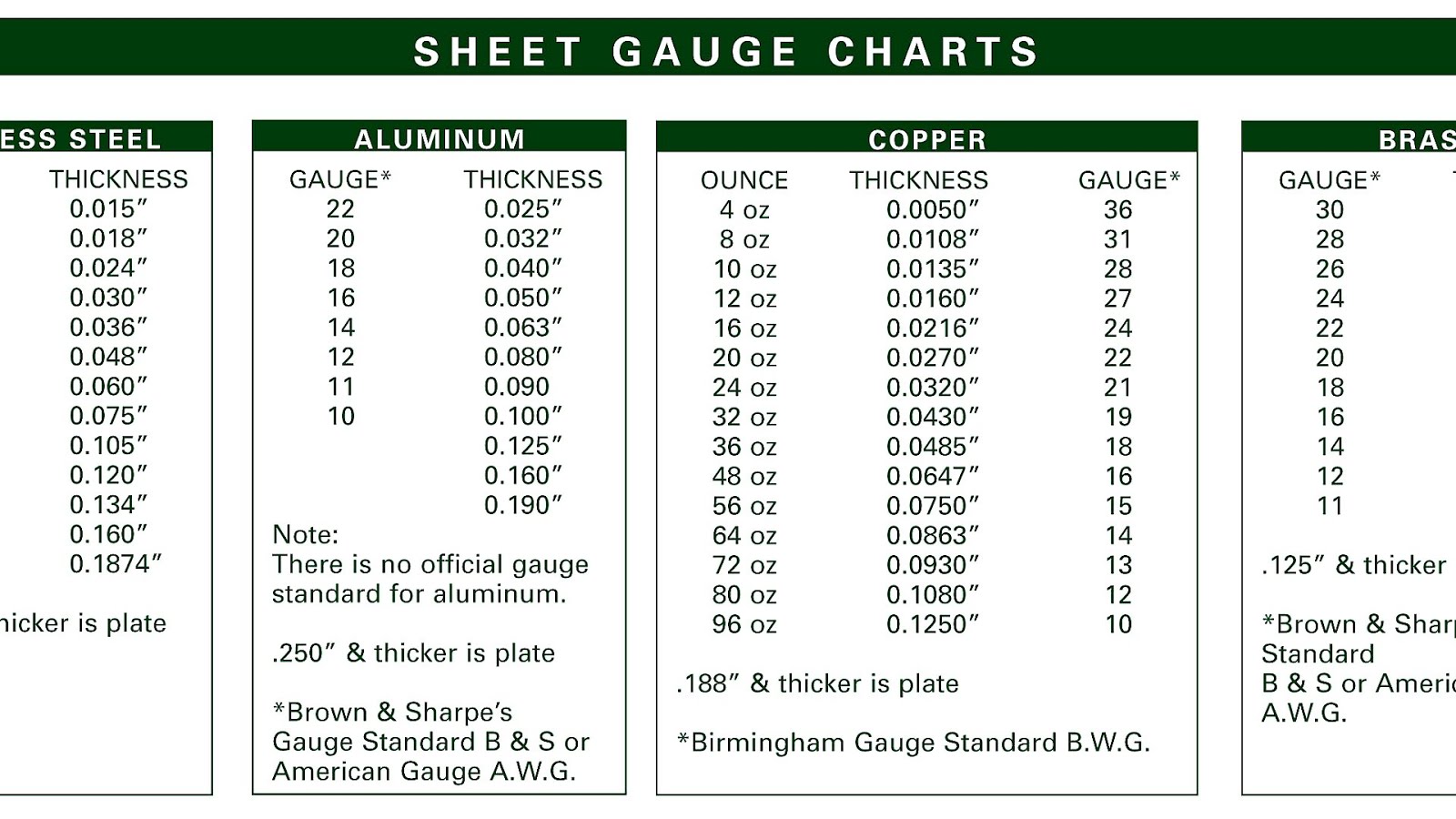
Metal Roof Gauge Thickness Chart
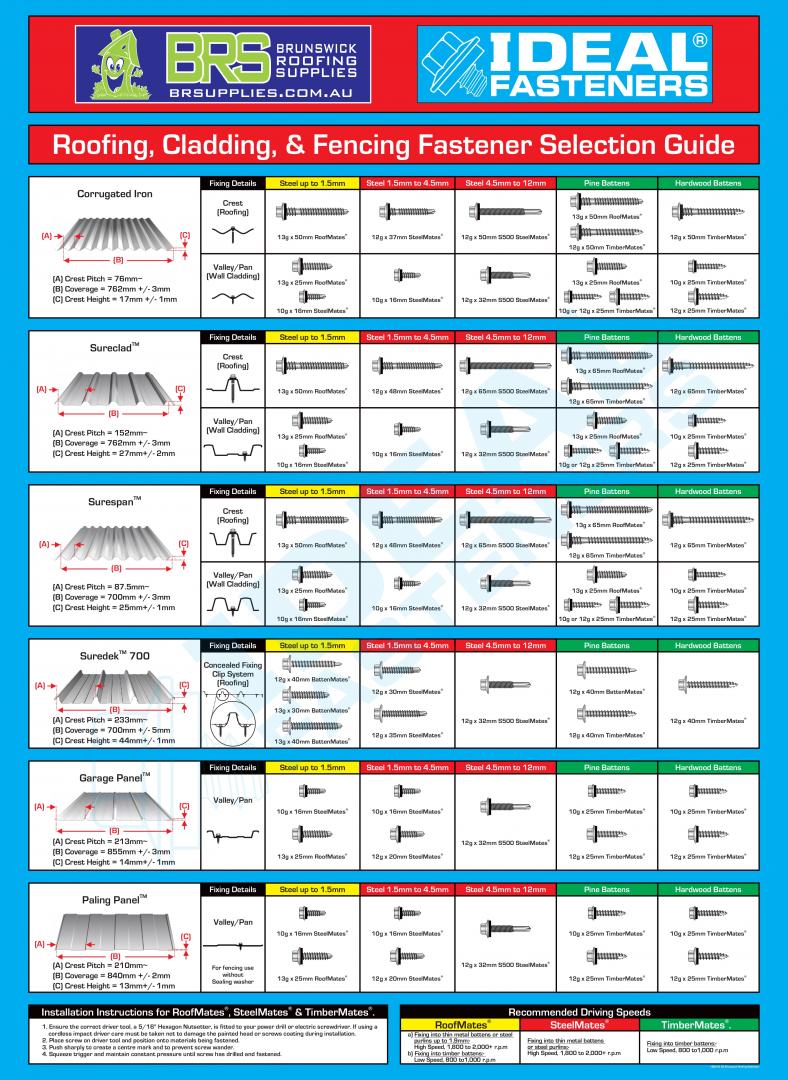
Metal Roofing Gauge Chart
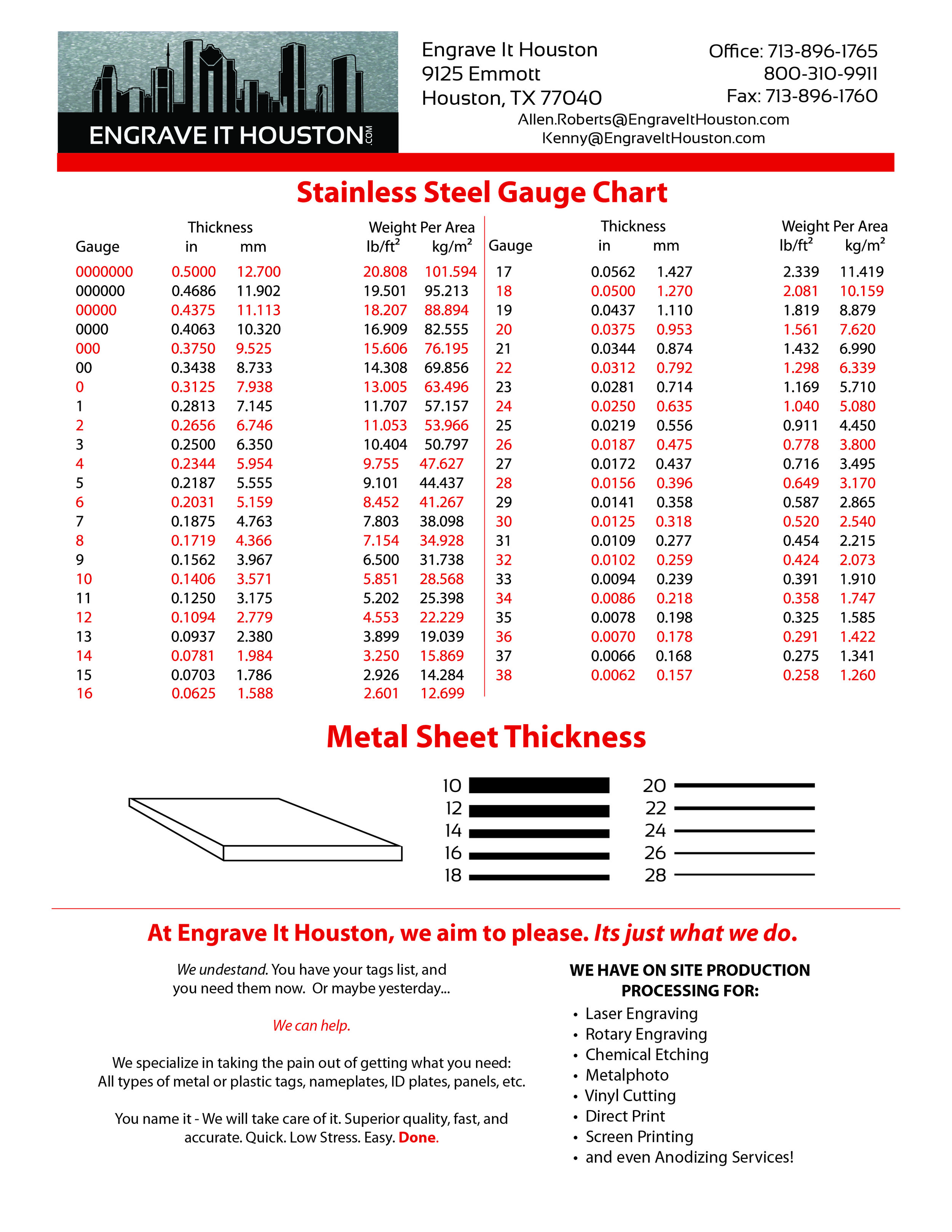
Stainless Steel Gauges Chart

Understanding Metal Roofing Gauges A Comprehensive Guide

Sheet Metal Gauge Thickness Chart All Points Fasteners

Metal Roofing Gauge Conversion Chart
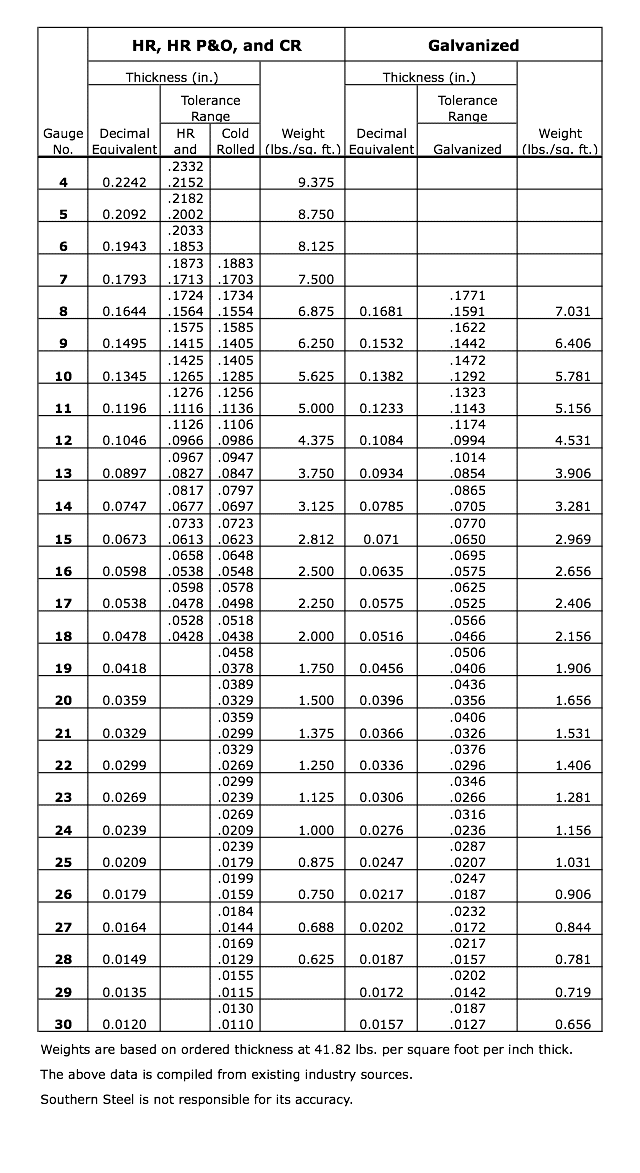
Metal Roofing Gauge Chart

Metal Roof Gauge Chart
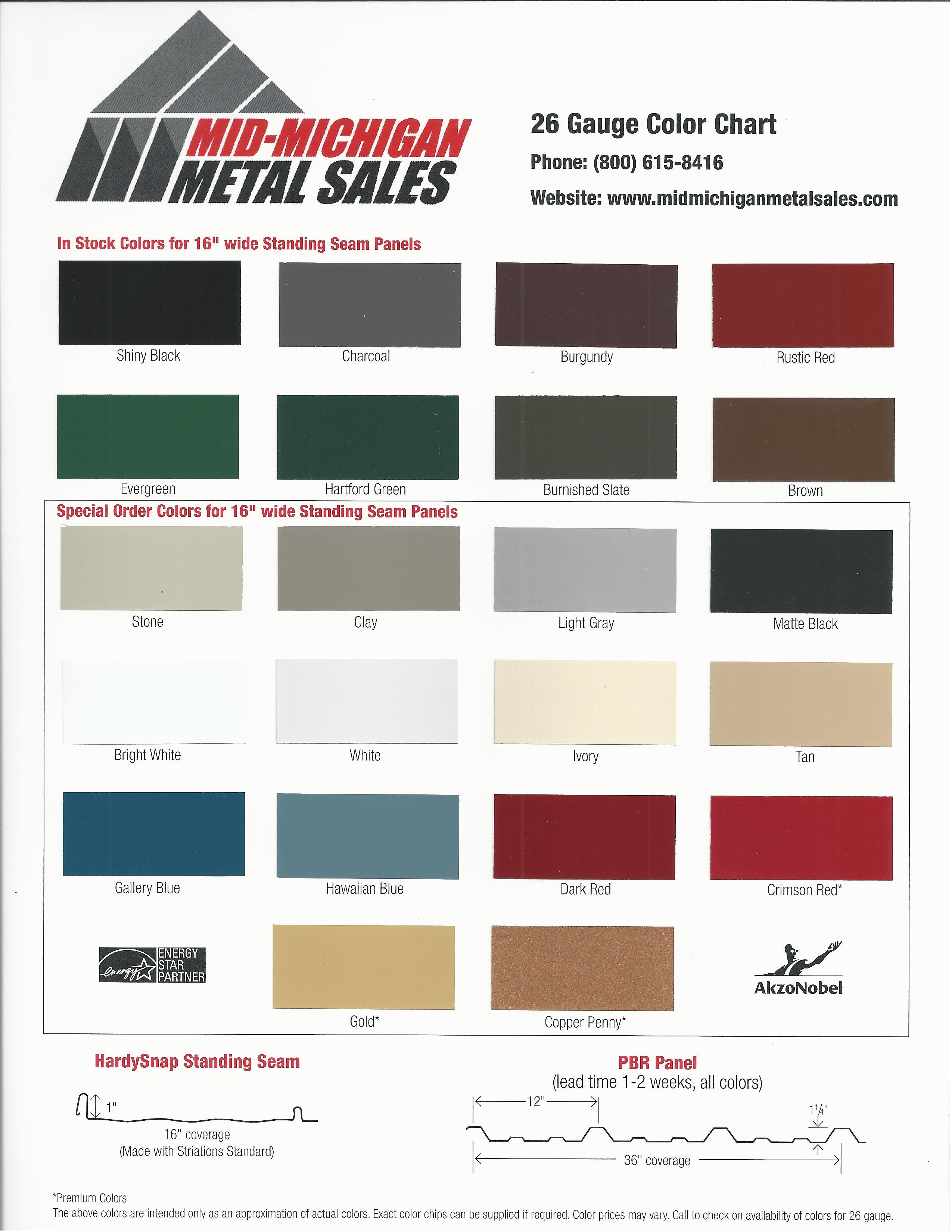
Metal Roofing Gauge Chart
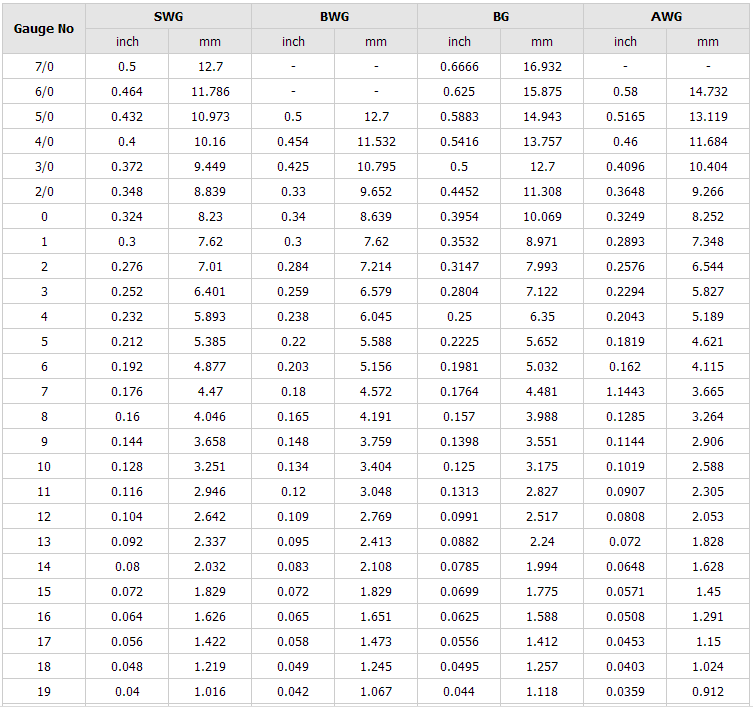
Metal Roofing Gauge Chart
Where You’re Located, Your Building’s Structure, Your Area’s Climate, And More Are All Factors.
There Are Pros And Cons To Each.
Thicker Gauges Offer More Durability And Resistance To Elements.
Related Post: