
Insulin Needs During Pregnancy Chart
Insulin Needs During Pregnancy Chart - Plus, oral diabetes meds generally aren’t enough to overcome insulin resistance in pregnant women with type 2 diabetes. Web you may need less insulin during your first trimester but probably will need more as you go through pregnancy. Web insulin therapy in pregnancy is safe. Web managing your blood sugars during pregnancy is not a simple task—especially if you’re taking insulin. Mdi requires at least four injections of insulin per day: Store unopened insulin pens in the refrigerator. The hormones your body produces will likely increase your insulin needs. Web there are several types of diabetes, according to the niddkd: Your insulin needs change constantly throughout pregnancy as your baby grows and hormones produced by the placenta start working. • during the 2nd and 3rd trimesters: Your health care team will work with you to create an insulin routine to meet your changing needs. Your abdomen is the best place to inject insulin while you are pregnant. Web 14.3 preconception counseling should address the importance of achieving glucose levels as close to normal as is safely possible, ideally a1c <6.5% (48 mmol/mol), to reduce the risk of congenital anomalies, preeclampsia, macrosomia, and. Here, we’ll discuss when and why it’s so important to check your blood sugar levels frequently and how your insulin needs and diabetes management can change throughout your pregnancy. Guidelines for the calculation of initial insulin dose. Web insulin therapy in pregnancy is safe. Although there are limited data on the role of cgm. Mdi requires at least four injections of insulin per day: Less than 5.3mmol/l before breakfast (fasting) less than 7.8mmol/l 1 hour after each meal; It is very effective in helping return your blood glucose levels back into the target range and reducing the risk of complications for you and your baby. Never leave your supplies in a vehicle. Web by around 30 weeks you may need up to two or three times as much insulin as you did before pregnancy. Insulin is available in many forms, which affect how often and when the insulin is given. Many patients can achieve glucose target levels with nutritional therapy and moderate exercise alone, but. Women with type 1 diabetes must take insulin to manage their diabetes, and during pregnancy will find that the amount of insulin that they need will increase. Plus, oral diabetes meds generally aren’t enough to overcome insulin resistance in pregnant women with type 2 diabetes. Web by around 30 weeks you may need up to two or three times as. Web insulin may be necessary during pregnancy to treat type 1, type 2, or gestational diabetes. It seems to us that you have your javascript disabled on your browser. Your insulin needs will decrease. Your insulin needs will change during your pregnancy: Web two main types of insulin are used during pregnancy, to keep your blood sugar under control. Web because insulin doesn’t cross the placenta, it’s the safest option for the developing baby. This is because your insulin resistance is likely to be different as your pregnancy progresses. Web insulin requirements in pregnancy. Things to know about your insulin. All calculations must be confirmed before use. At bedtime, before breakfast, lunch, and dinner. Web taking insulin for diabetes during pregnancy. Insulin may be given by multiple daily injections (mdi) or by continuous subcutaneous insulin infusion (csii) (insulin pump). Guidelines for the calculation of initial insulin dose. Insulin is available in many forms, which affect how often and when the insulin is given. Be careful to not let your insulin freeze. Type 1, typically occurring in children or young adults but possible at any age, means the body makes little or no insulin, and that a. If you already take insulin, you might notice a drop in the amount you need in early pregnancy, from around 9 to 16 weeks. Never leave your. Javascript is required in order for our site to behave correctly. Guidelines for care, california diabetes and pregnancy program,2002. Your insulin needs may double or even triple as you get closer to your due date. Many patients can achieve glucose target levels with nutritional therapy and moderate exercise alone, but up to 30 percent will require pharmacotherapy [ 1 ].. Web in general, the targets for blood sugar levels during pregnancy are: Insulin doses change through pregnancy. Mdi requires at least four injections of insulin per day: Your health care team will work with you to create an insulin routine to meet your changing needs. Web insulin therapy in pregnancy is safe. Your insulin needs may double or even triple as you get closer to your due date. • during the 2nd and 3rd trimesters: Web calculation of appropriate calorie levels. Your insulin needs will change during your pregnancy: Web taking insulin for diabetes during pregnancy. Do not use insulin that has been frozen. All calculations must be confirmed before use. The hormones your body produces will likely increase your insulin needs. Here, we’ll discuss when and why it’s so important to check your blood sugar levels frequently and how your insulin needs and diabetes management can change throughout your pregnancy. Plus, oral diabetes meds generally. Web treatment of gestational diabetes mellitus (gdm) can improve pregnancy outcome. All calculations must be confirmed before use. The hormones your body produces will likely increase your insulin needs. Guidelines for care, california diabetes and pregnancy program,2002. Do not use insulin that has been frozen. Web accurate and timely adjustments depend on accurate blood glucose testing, type of insulin used, and consistent carbohydrate levels for meals. Be careful to not let your insulin freeze. Web there are several types of diabetes, according to the niddkd: Women with type 1 diabetes must take insulin to manage their diabetes, and during pregnancy will find that the amount of insulin that they need will increase. Insulin may be given by multiple daily injections (mdi) or by continuous subcutaneous insulin infusion (csii) (insulin pump). Web you may need less insulin during your first trimester but probably will need more as you go through pregnancy. Your health care team will work with you to create an insulin routine to meet your changing needs. Javascript is required in order for our site to behave correctly. Web taking insulin for diabetes during pregnancy. Web 14.3 preconception counseling should address the importance of achieving glucose levels as close to normal as is safely possible, ideally a1c <6.5% (48 mmol/mol), to reduce the risk of congenital anomalies, preeclampsia, macrosomia, and. Insulin doses change through pregnancy.
PPT Diabetes in Pregnancy PowerPoint Presentation, free download ID
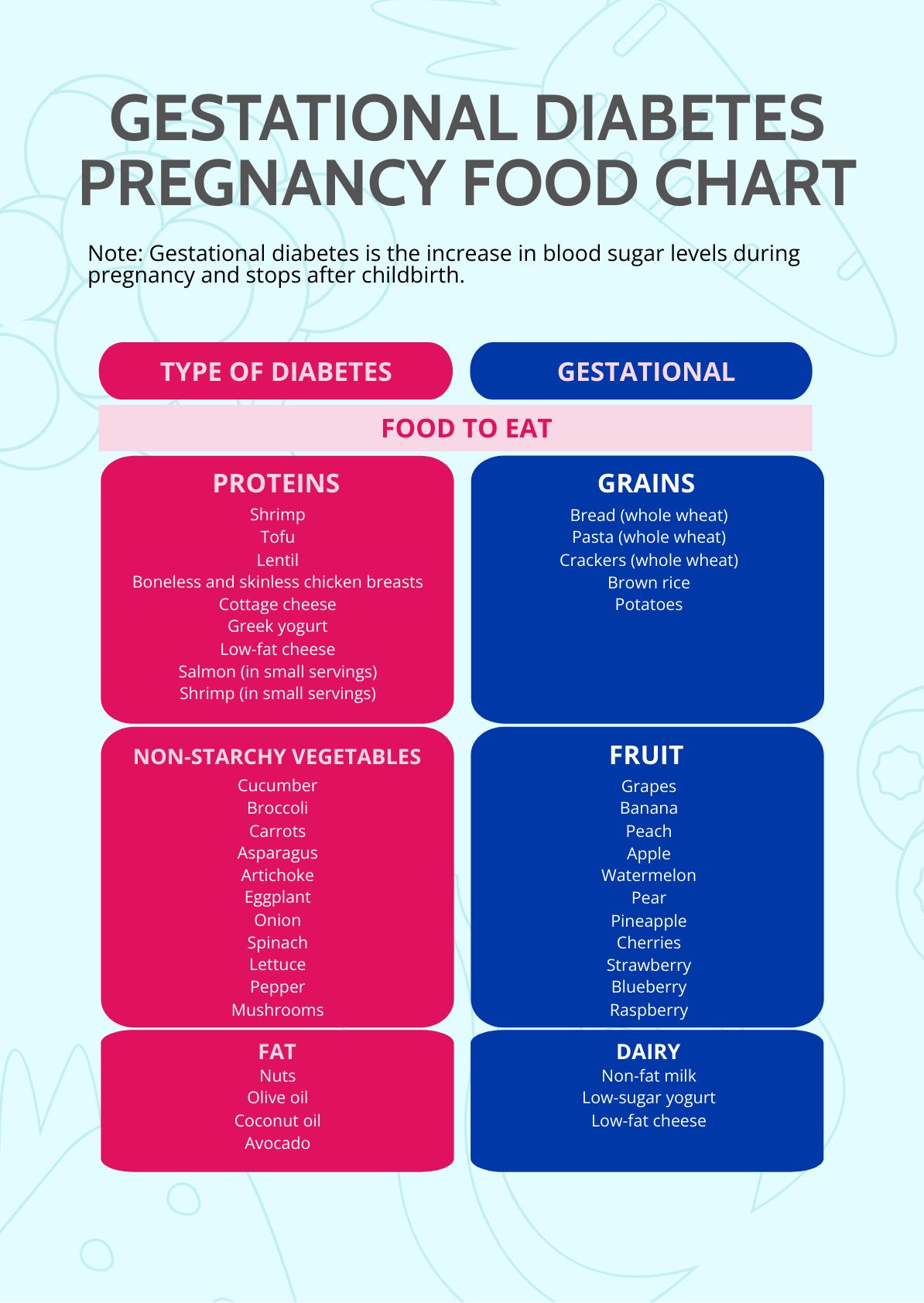
Gestational Diabetes Pregnancy Food Chart in PDF Download

Diabetes Week • Gestational Diabetes UK

(PDF) Insulin Use in Pregnancy An Update

Pregestational Diabetes in Pregnancy Obstetrics and Gynecology Clinics
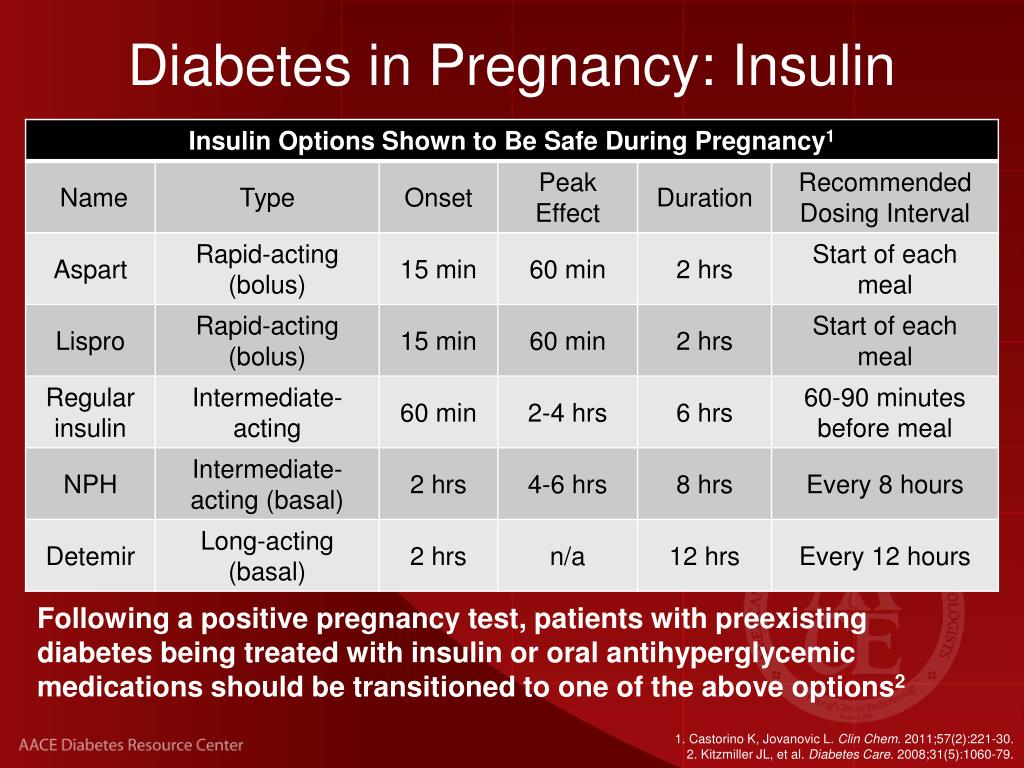
PPT Diabetes in Pregnancy PowerPoint Presentation, free download ID

Insulin In Pregnancy When To Take Insulin In Pregnancy
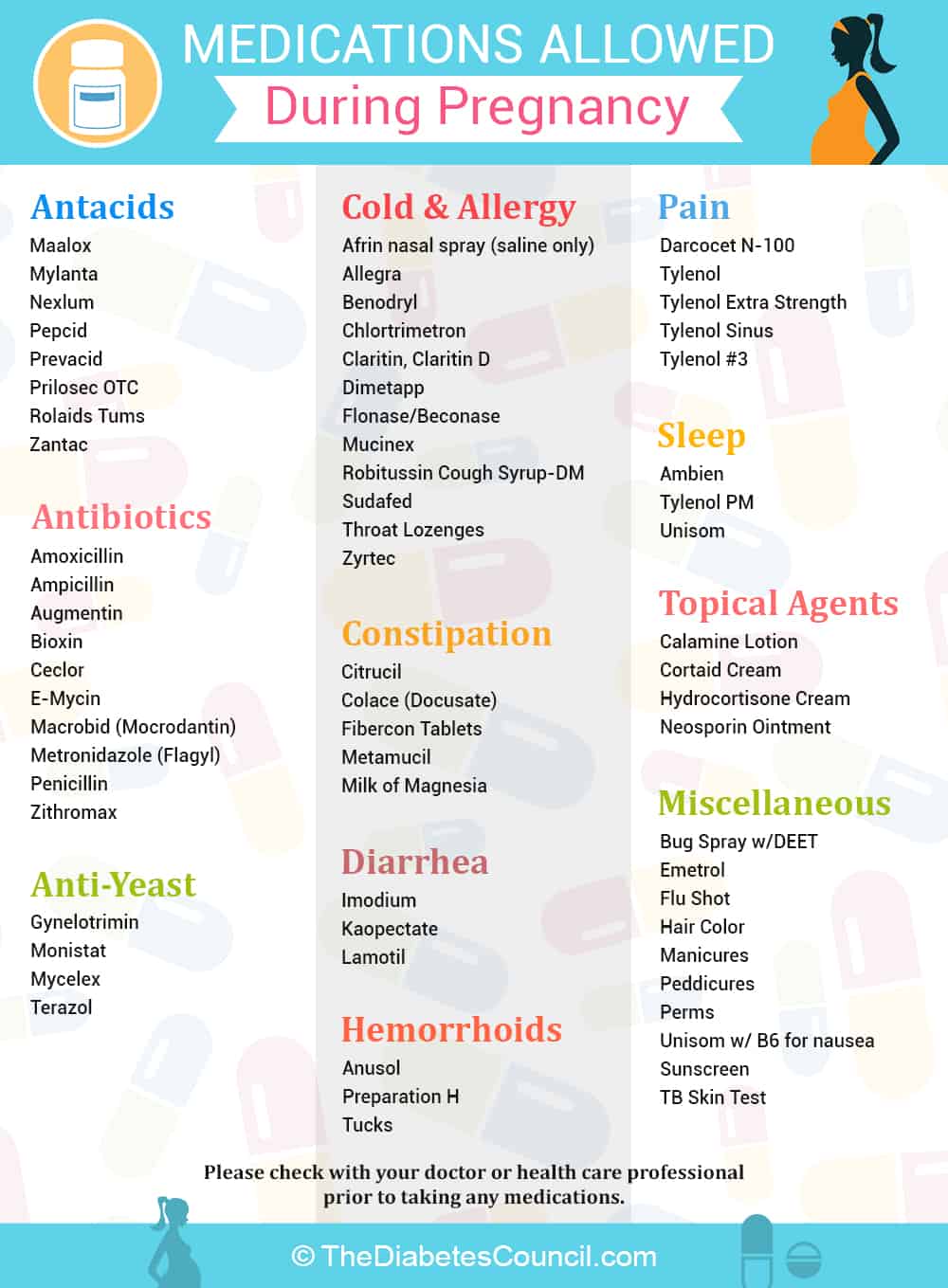
Preexisting Diabetes And Pregnancy

Insulin requirements during pregnancy. Download Scientific Diagram

Insulin Requirements during Pregnancy 4 Kids at Risk For Diabetes
Plus, Oral Diabetes Meds Generally Aren’t Enough To Overcome Insulin Resistance In Pregnant Women With Type 2 Diabetes.
Mdi Requires At Least Four Injections Of Insulin Per Day:
Keeping Blood Glucose Levels In A Normal Range Is Essential To A Healthy Pregnancy And Baby.
Web Insulin Therapy In Pregnancy Is Safe.
Related Post: