
Igneous Rock Identification Chart
Igneous Rock Identification Chart - Rocks rich in magnesium (mg) and iron (fe) tend to contain olivine, pyroxene, amphibole, and biotite. Andesite, basalt, dacite, obsidian, pumice, rhyolite, scoria, and tuff. The color of an igneous rock is related to the colors of the minerals present. Web igneous rock identification chart. Get examples and identification tips. It has a composition that is intermediate between rhyolite and andesite. Web learn more about the major types of igneous rock, which includes plutonic, intrusive, and extrusive igneous rocks. Next, observe its texture based on the crystal grain sizes present in the rock. Web igneous rocks (fiery rocks) are made when molten material inside or outside the earth cools and becomes solid. Web igneous id flow chart_2019 update.xls igneous rock Web igneous id flow chart_2019 update.xls igneous rock Web igneous rock identification chart. Web learn more about the major types of igneous rock, which includes plutonic, intrusive, and extrusive igneous rocks. The color of an igneous rock is related to the colors of the minerals present. Web identify the unknown igneous rock samples by name by comparing your recorded observations with an identification chart and this limited bank. Rocks rich in magnesium (mg) and iron (fe) tend to contain olivine, pyroxene, amphibole, and biotite. Let’s put your identification skills to the test by assigning names to each of the rock samples! Web igneous rocks (fiery rocks) are made when molten material inside or outside the earth cools and becomes solid. These minerals tend to be strongly. Next, observe its texture based on the crystal grain sizes present in the rock. Web igneous rock identification chart. Let’s put your identification skills to the test by assigning names to each of the rock samples! Andesite, basalt, dacite, obsidian, pumice, rhyolite, scoria, and tuff. Web to identify an igneous rock, first determine its approximate mineral composition by judging its overall color and labeling it as felsic, intermediate, mafic, or ultramafic. The color of. Web igneous rocks (fiery rocks) are made when molten material inside or outside the earth cools and becomes solid. Andesite, basalt, dacite, obsidian, pumice, rhyolite, scoria, and tuff. The color of an igneous rock is related to the colors of the minerals present. Then, compare your observations to known igneous rock types. Next, observe its texture based on the crystal. It has a composition that is intermediate between rhyolite and andesite. Web learn about igneous rocks in geology, including their origin, properties, and classification. The color of an igneous rock is related to the colors of the minerals present. Web igneous rocks (fiery rocks) are made when molten material inside or outside the earth cools and becomes solid. An unknown. Web igneous rocks (fiery rocks) are made when molten material inside or outside the earth cools and becomes solid. Then, compare your observations to known igneous rock types. Let’s put your identification skills to the test by assigning names to each of the rock samples! An unknown sample is identified when its properties most closely match those of a rock. Web identify the unknown igneous rock samples by name by comparing your recorded observations with an identification chart and this limited bank. Rocks rich in magnesium (mg) and iron (fe) tend to contain olivine, pyroxene, amphibole, and biotite. Web igneous rocks (fiery rocks) are made when molten material inside or outside the earth cools and becomes solid. Web learn more. Web igneous rock identification chart. Andesite, basalt, dacite, obsidian, pumice, rhyolite, scoria, and tuff. This melted rock is called magma when it is inside the earth. It has a composition that is intermediate between rhyolite and andesite. Get examples and identification tips. Andesite, basalt, dacite, obsidian, pumice, rhyolite, scoria, and tuff. This melted rock is called magma when it is inside the earth. Then, compare your observations to known igneous rock types. Web igneous rocks (fiery rocks) are made when molten material inside or outside the earth cools and becomes solid. An unknown sample is identified when its properties most closely match. Web identify the unknown igneous rock samples by name by comparing your recorded observations with an identification chart and this limited bank. Web learn more about the major types of igneous rock, which includes plutonic, intrusive, and extrusive igneous rocks. Web learn about igneous rocks in geology, including their origin, properties, and classification. Web igneous rocks (fiery rocks) are made. Rocks rich in magnesium (mg) and iron (fe) tend to contain olivine, pyroxene, amphibole, and biotite. Then, compare your observations to known igneous rock types. Let’s put your identification skills to the test by assigning names to each of the rock samples! It has a composition that is intermediate between rhyolite and andesite. Web igneous rock identification chart. Rocks rich in magnesium (mg) and iron (fe) tend to contain olivine, pyroxene, amphibole, and biotite. These minerals tend to be strongly. Pictures and brief descriptions of some common igneous rock types are shown on this page. The color of an igneous rock is related to the colors of the minerals present. Then, compare your observations to known igneous rock. This melted rock is called magma when it is inside the earth. Get examples and identification tips. An unknown sample is identified when its properties most closely match those of a rock identified and described in the limited bank or your external resource. Web identify the unknown igneous rock samples by name by comparing your recorded observations with an identification chart and this limited bank. Web learn more about the major types of igneous rock, which includes plutonic, intrusive, and extrusive igneous rocks. Rocks rich in magnesium (mg) and iron (fe) tend to contain olivine, pyroxene, amphibole, and biotite. Web learn about igneous rocks in geology, including their origin, properties, and classification. Web to identify an igneous rock, first determine its approximate mineral composition by judging its overall color and labeling it as felsic, intermediate, mafic, or ultramafic. Web igneous rock identification chart. Andesite, basalt, dacite, obsidian, pumice, rhyolite, scoria, and tuff. These minerals tend to be strongly. Then, compare your observations to known igneous rock types. Web igneous rocks (fiery rocks) are made when molten material inside or outside the earth cools and becomes solid. Web here's how to identify 44 of the most common igneous, sedimentary, and metamorphic rock types with a handy rock identification chart. Web igneous id flow chart_2019 update.xls igneous rock Let’s put your identification skills to the test by assigning names to each of the rock samples!
PPT Igneous Rocks PowerPoint Presentation, free download ID1540764

Buy Rock Collection and ID Chart 18 Rocks Igneous, Metamorphic

Igneous_Rock_Classification_Chart.jpg (960×720) Igneous rock, Igneous

General Classification of Igneous Rocks
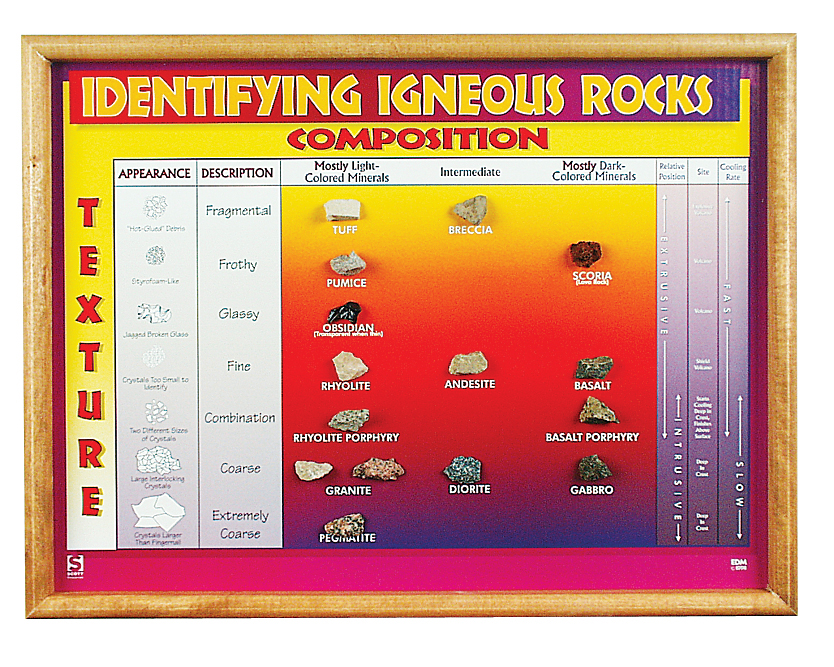
Igneous Rock Chart Flinn Scientific

Igneous Rocks Texture Types
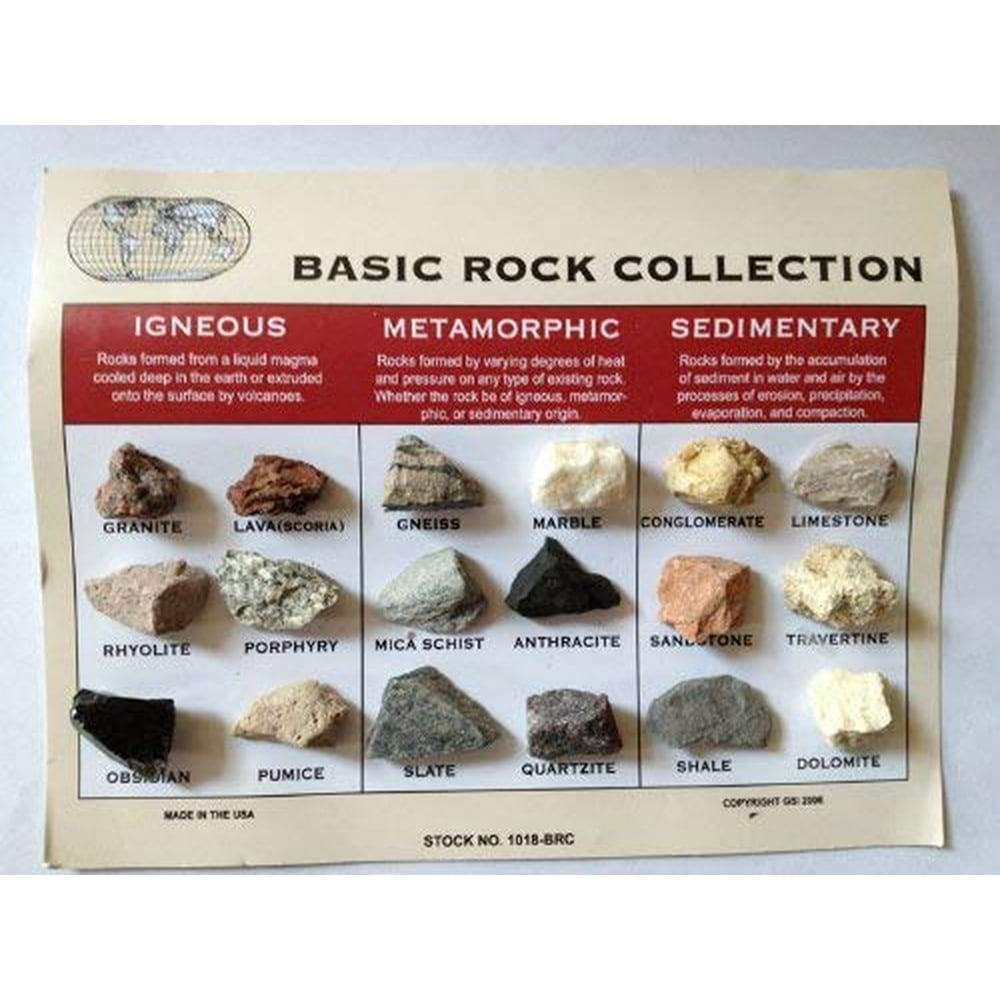
Rock Collection and ID Chart 18 Rocks Igneous, Metamorphic
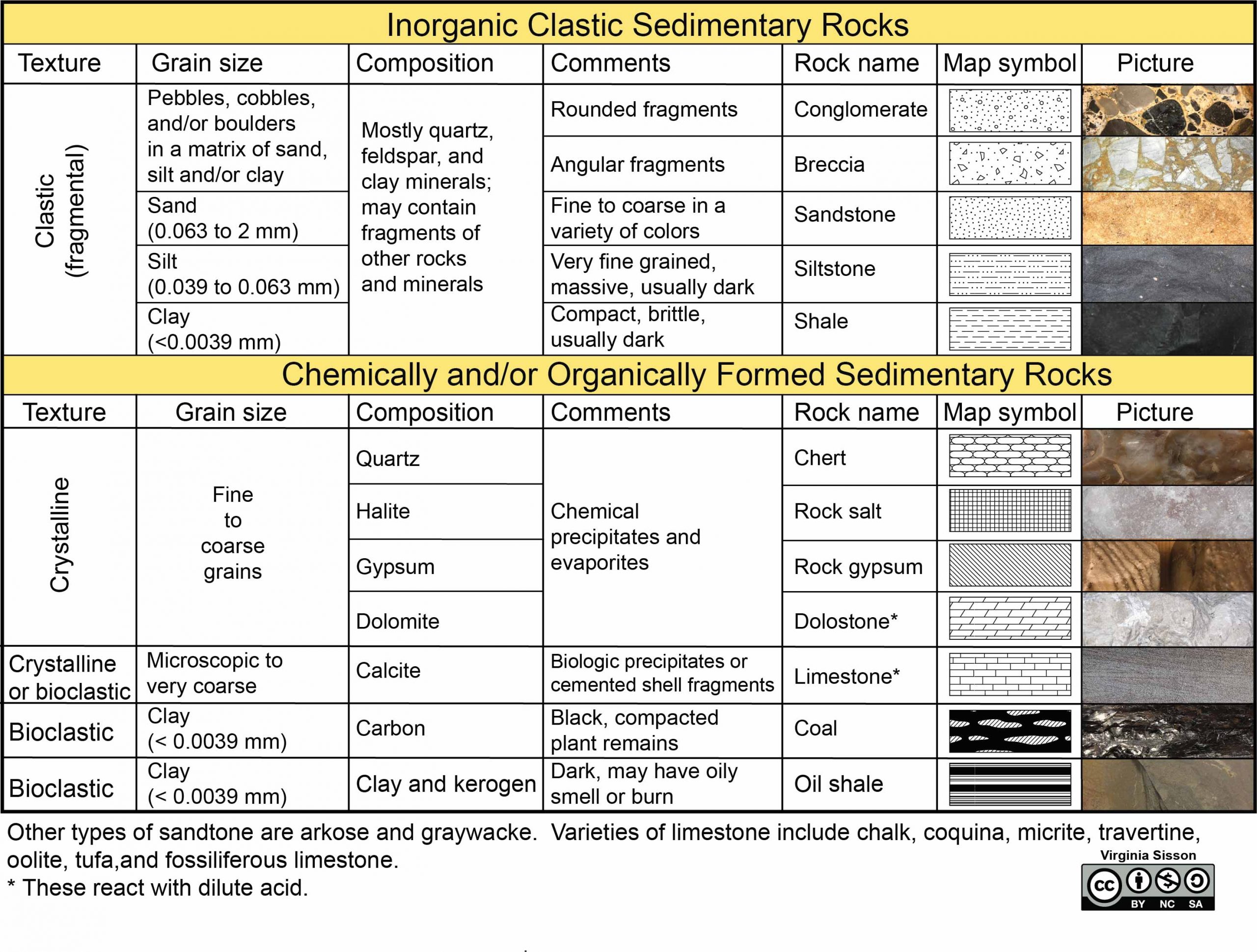
Igneous Rock Types Chart
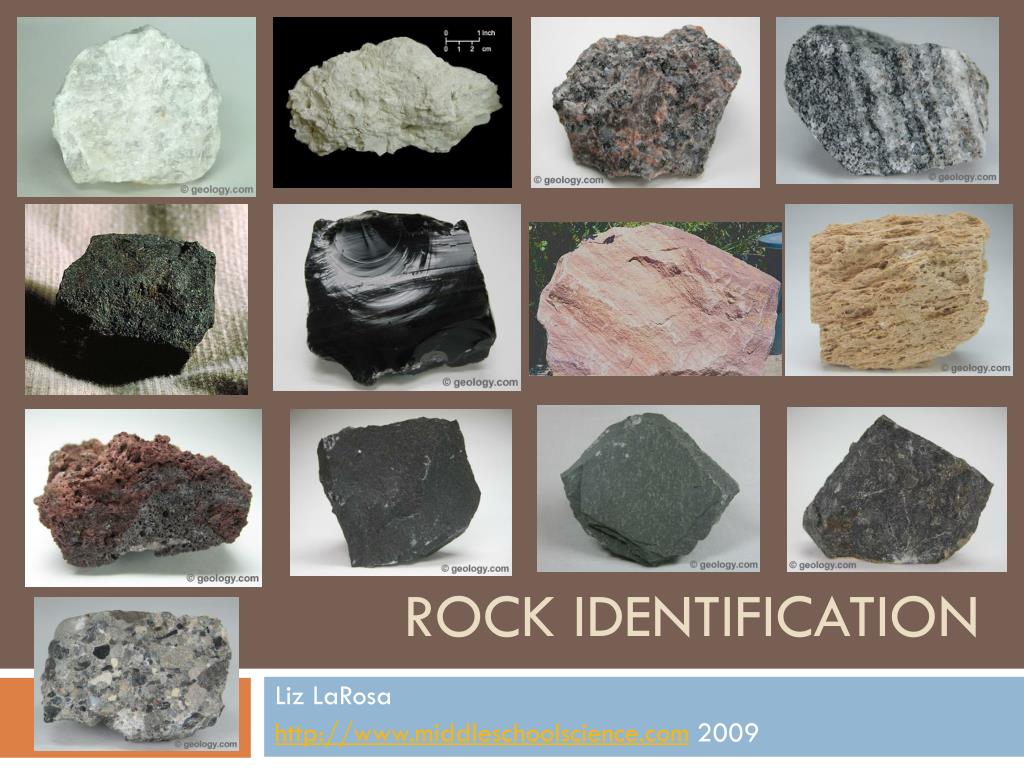
Igneous Rock Types Chart

Igneous Rock Composition Chart
Pictures And Brief Descriptions Of Some Common Igneous Rock Types Are Shown On This Page.
The Color Of An Igneous Rock Is Related To The Colors Of The Minerals Present.
It Has A Composition That Is Intermediate Between Rhyolite And Andesite.
Next, Observe Its Texture Based On The Crystal Grain Sizes Present In The Rock.
Related Post: