
Hiatal Hernia Size Chart
Hiatal Hernia Size Chart - This is a very common condition, especially as you get older. It can cause severe heartburn but is treatable. Helps to objectively document reflux episodes, which impact the ph levels in the esophagus. For visualizing the esophagus and assessing its movements. Web a hiatal hernia occurs when weakened muscle tissue allows your stomach to bulge up through your diaphragm. In this type, the stomach intermittently slides up into the chest through a small opening in the diaphragm. Web these guidelines are specific for each type of hiatal hernia since the implications of a hiatal hernia and the indications for repair differ between the sliding (type i) hernias and for the paraesophageal hernias (type ii, iii and iv). Web a hiatal hernia is a protrusion of the abdominal contents into the thorax through an enlarged oesophageal hiatus caused by a weakness or opening in the diaphragm. The four types of hiatal hernias are sliding,. Injury to the area, for example, after trauma or certain types of surgery. Web there are four types of hiatal hernias. Web a hiatal hernia happens when the top of your stomach bulges through an opening in your diaphragm. A hiatal hernia refers to the protrusion of the stomach or, rarely, other abdominal organs through a weak opening in the diaphragm. Helps to objectively document reflux episodes, which impact the ph levels in the esophagus. Web a hiatal hernia occurs when weakened muscle tissue allows your stomach to bulge up through your diaphragm. Treatment is available for hiatal hernias that cause symptoms. Type ii, iii and iv hiatal hernias are called paraesophageal hernias. Web a hiatal hernia is a protrusion of the abdominal contents into the thorax through an enlarged oesophageal hiatus caused by a weakness or opening in the diaphragm. The four types of hiatal hernias are sliding,. The vast majority of hiatal hernias are called type i, or sliding hiatal hernias. Provides a more detailed look. Injury to the area, for example, after trauma or certain types of surgery. Treatment is available for hiatal hernias that cause symptoms. Helps to objectively document reflux episodes, which impact the ph levels in the esophagus. It doesn’t always cause symptoms, but when it does, they’re usually related to acid reflux. The vast majority of hiatal hernias are called type i, or sliding hiatal hernias. Web these guidelines are specific for each type of hiatal hernia since the implications of a hiatal hernia and the indications for repair differ between the sliding (type i) hernias and for the paraesophageal hernias (type ii, iii and iv). It can cause severe heartburn but. Treatment is available for hiatal hernias that cause symptoms. Web a hiatal hernia occurs when part of the stomach bulges into the chest. A hiatal hernia refers to the protrusion of the stomach or, rarely, other abdominal organs through a weak opening in the diaphragm. Helps to objectively document reflux episodes, which impact the ph levels in the esophagus. It's. Web a hiatal hernia is a protrusion of the abdominal contents into the thorax through an enlarged oesophageal hiatus caused by a weakness or opening in the diaphragm. Web in a 2022 study, researchers defined sliding hernias as large if they’re bigger than 7 centimeters (2.8 inches) or involve more than 50% of the stomach. Web there are four types. For visualizing the esophagus and assessing its movements. A hiatal hernia refers to the protrusion of the stomach or, rarely, other abdominal organs through a weak opening in the diaphragm. Web what size hiatal hernia needs surgery? The four types of hiatal hernias are sliding,. Injury to the area, for example, after trauma or certain types of surgery. In this type, the stomach intermittently slides up into the chest through a small opening in the diaphragm. Being born with a very large hiatus. In most cases, hernias will eventually grow larger and can lead to serious complications if people do not repair them. Provides a more detailed look. Web in a 2022 study, researchers defined sliding hernias as. For visualizing the esophagus and assessing its movements. Web a hiatal hernia is a protrusion of the abdominal contents into the thorax through an enlarged oesophageal hiatus caused by a weakness or opening in the diaphragm. The vast majority of hiatal hernias are called type i, or sliding hiatal hernias. Web these guidelines are specific for each type of hiatal. It can cause severe heartburn but is treatable. This is a very common condition, especially as you get older. Type ii, iii and iv hiatal hernias are called paraesophageal hernias. The vast majority of hiatal hernias are called type i, or sliding hiatal hernias. Web a hiatal hernia happens when the top of your stomach bulges through an opening in. The vast majority of hiatal hernias are called type i, or sliding hiatal hernias. For visualizing the esophagus and assessing its movements. Web a hiatal hernia occurs when weakened muscle tissue allows your stomach to bulge up through your diaphragm. Web a hiatal hernia is a protrusion of the abdominal contents into the thorax through an enlarged oesophageal hiatus caused. The four types of hiatal hernias are sliding,. It's not always clear why this happens. Helps to objectively document reflux episodes, which impact the ph levels in the esophagus. But a hiatal hernia might be caused by: Web these guidelines are specific for each type of hiatal hernia since the implications of a hiatal hernia and the indications for repair. But a hiatal hernia might be caused by: Being born with a very large hiatus. Web what size hiatal hernia needs surgery? For visualizing the esophagus and assessing its movements. Web a hiatal hernia occurs when part of the stomach bulges into the chest. Helps to objectively document reflux episodes, which impact the ph levels in the esophagus. In most cases, hernias will eventually grow larger and can lead to serious complications if people do not repair them. The vast majority of hiatal hernias are called type i, or sliding hiatal hernias. A hiatal hernia refers to the protrusion of the stomach or, rarely, other abdominal organs through a weak opening in the diaphragm. Web these guidelines are specific for each type of hiatal hernia since the implications of a hiatal hernia and the indications for repair differ between the sliding (type i) hernias and for the paraesophageal hernias (type ii, iii and iv). Web there are four types of hiatal hernias. It doesn’t always cause symptoms, but when it does, they’re usually related to acid reflux. Treatment is available for hiatal hernias that cause symptoms. It's not always clear why this happens. Type ii, iii and iv hiatal hernias are called paraesophageal hernias. Web a hiatal hernia happens when the top of your stomach bulges through an opening in your diaphragm.
hiatal hernia size chart

Hiatal Hernia Size Chart Minga

SSAT GERD AND HIATAL HERNIA PRESENCE AND SIZE INFUENCE THE CLINICAL
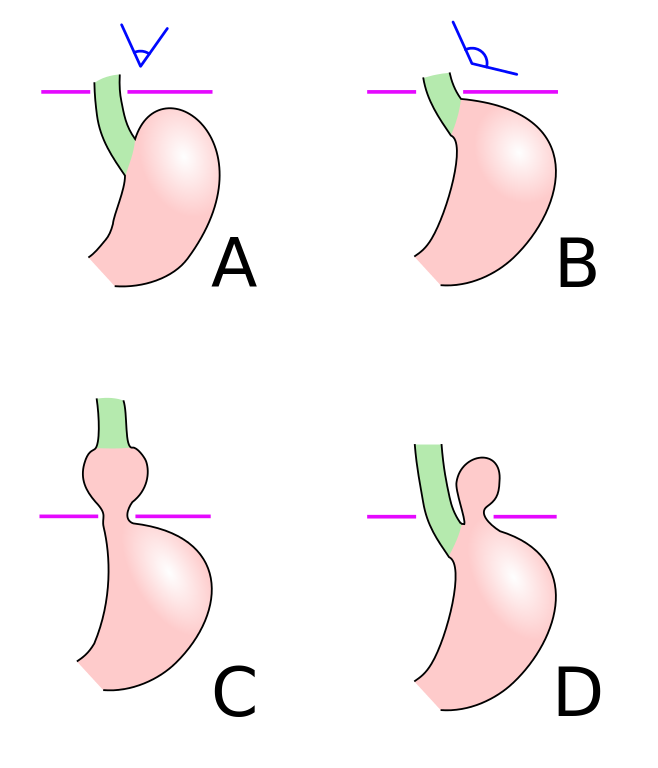
Hiatal Hernia (Stomach Hernia) — Diagnosis and Treatment Lecturio
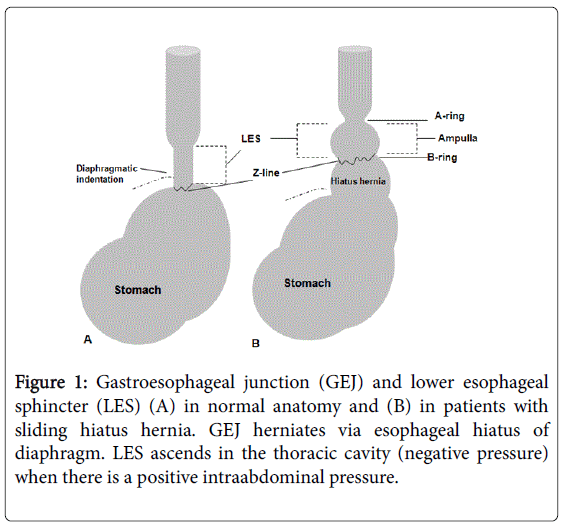
Hiatal Hernia Size Chart A Visual Reference of Charts Chart Master

Indications for mesh usage in hiatal hernia repair Download Table
:max_bytes(150000):strip_icc()/GettyImages-1137739395-907ff014fd114a1e82a47c40c1ccd594.jpg)
Hiatal Hernia Types, Symptoms, Causes, Diagnosis, Treatment and More
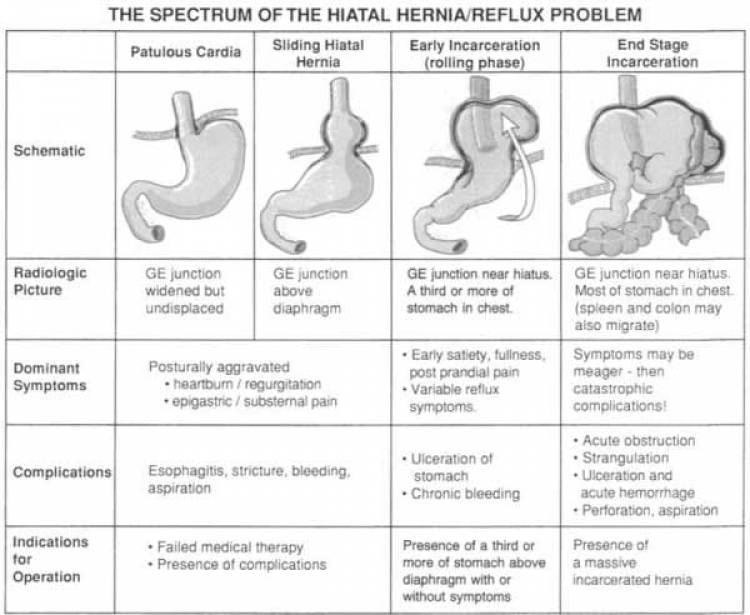
Hiatal Hernia Repair Varient News Magazine
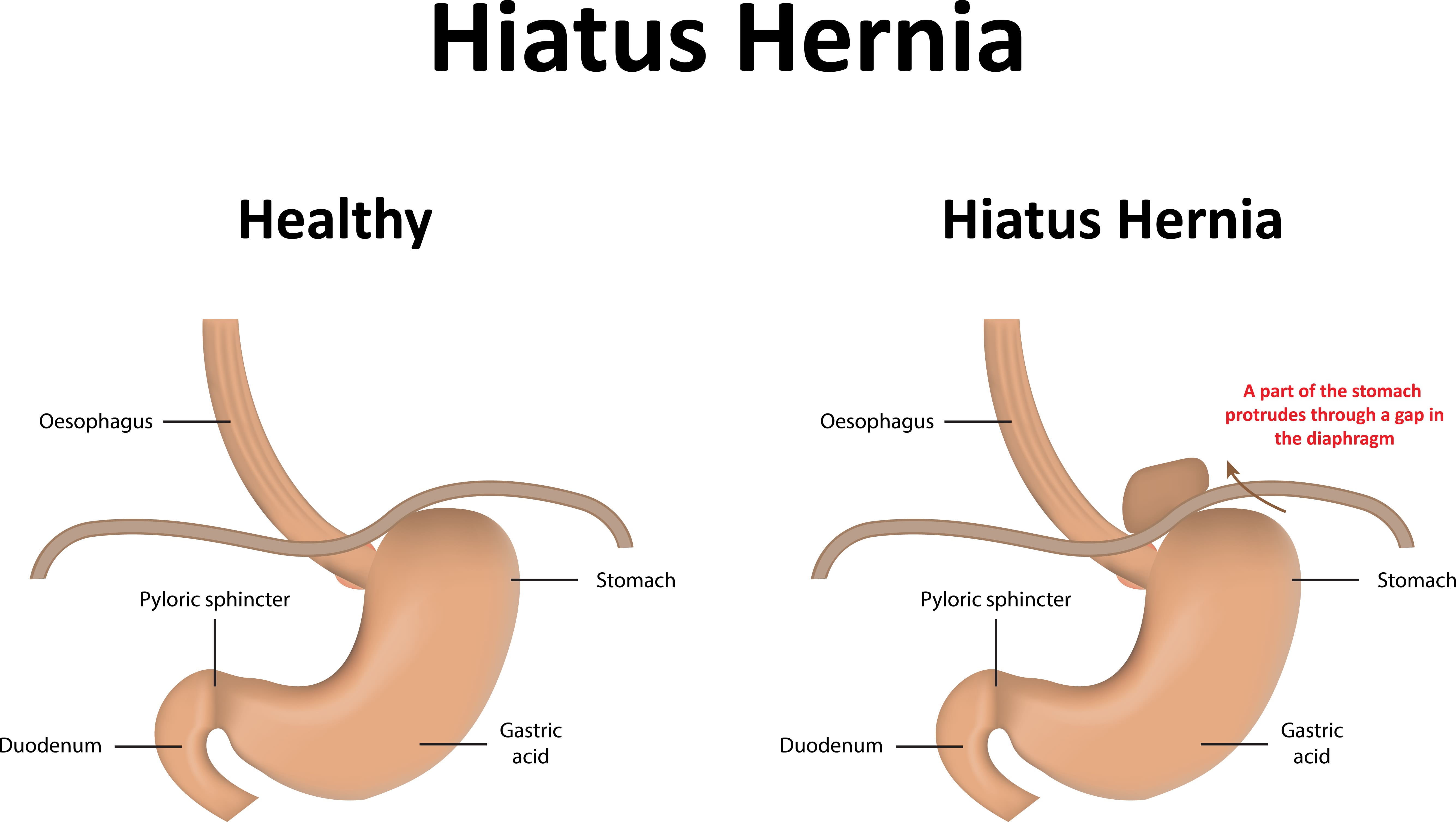
What Size Hiatal Hernia Needs Surgery
![[PDF] Bowel in Chest Type IV Hiatal Hernia Semantic Scholar](https://d3i71xaburhd42.cloudfront.net/468c41dce6504c0aecefdc7c7296e0566166d5aa/4-Table1-1.png)
[PDF] Bowel in Chest Type IV Hiatal Hernia Semantic Scholar
Provides A More Detailed Look.
The Four Types Of Hiatal Hernias Are Sliding,.
Web A Hiatal Hernia Is A Protrusion Of The Abdominal Contents Into The Thorax Through An Enlarged Oesophageal Hiatus Caused By A Weakness Or Opening In The Diaphragm.
Injury To The Area, For Example, After Trauma Or Certain Types Of Surgery.
Related Post: