
Glove Chemical Resistance Chart
Glove Chemical Resistance Chart - • degradation (d)is a deleterious change in one or more of the glove’s physical properties. Not all gloves have been tested against each chemical, therefore the chart should be used to provide basic guidance on resistances by material. Web this chemical resistance guide incorporates three types of information: This general resistance chart is available as a guide only. Polyvinyl chloride (pvc), polyvinyl alcohol and polyethylene. Web the following table from the u.s. Web certain glove materials may become hard, stiff, or brittle, or they may grow softer, weaker, and swell to several times their original size. 1 if you are allergic to natural rubber products, you may double glove with 8 mil nitrile gloves. Web vwr glove chemical resistance chart. Web general advisory information for broadly recognized chemical resistance characteristics of gloves to a given chemical agent. Web certain glove materials may become hard, stiff, or brittle, or they may grow softer, weaker, and swell to several times their original size. Web osha glove selection chart. Natural, butyl, neoprene, nitrile and fluorocarbon (viton); The data outlined here is taken from the sixth edition of quick selection guide to chemical protective clothing by forsberg et al. • degradation (d)is a deleterious change in one or more of the glove’s physical properties. Web this chemical resistance guide incorporates three types of information: Sas safety gloves have not been individually tested against these chemicals. Web general advisory information for broadly recognized chemical resistance characteristics of gloves to a given chemical agent. Department of energy (occupational safety and health technical reference manual) rates various gloves as being protective against specific chemicals and will help you select the most appropriate gloves to protect your employees. The ratings are abbreviated as follows: This general resistance chart is available as a guide only. If a chemical has a significant impact on the physical properties of a glove material, its permeation resistance is quickly impaired. It is important to conduct a risk assessment prior to the selection of any gloves. Web osha glove selection chart. 1 if you are allergic to natural rubber products,. The most obvious forms of degradation are the loss of the glove’s strength and excessive swelling. Department of energy (occupational safety and health technical reference manual) rates various gloves as being protective against specific chemicals and will help you select the most appropriate gloves to protect your employees. Several published degradation lists (primarily “the general chemical. Web the data presented. The data outlined here is taken from the sixth edition of quick selection guide to chemical protective clothing by forsberg et al. No one type of glove will protect against all chemical hazards. Department of energy (occupational safety and health technical reference manual) rates various gloves as being protective against specific chemicals and will help you select the most appropriate. Sas safety gloves have not been individually tested against these chemicals. 1 if you are allergic to natural rubber products, you may double glove with 8 mil nitrile gloves. The most obvious forms of degradation are the loss of the glove’s strength and excessive swelling. Web vwr glove chemical resistance chart. The chemical resistance ratings are based on published research. Web this chemical resistance guide incorporates three types of information: Web this chemical resistance chart is intended to provide general information about the reactions of different glove materials to the chemicals listed. This general resistance chart is available as a guide only. Take into account the degree of dexterity required. It is important to conduct a risk assessment prior to. It is important to conduct a risk assessment prior to the selection of any gloves. If a chemical has a significant impact on the physical properties of a glove material, its permeation resistance is quickly impaired. Sas safety gloves have not been individually tested against these chemicals. Or various kinds of plastic: Polyvinyl chloride (pvc), polyvinyl alcohol and polyethylene. It is important to conduct a risk assessment prior to the selection of any gloves. • degradation (d)is a deleterious change in one or more of the glove’s physical properties. The data outlined here is taken from the sixth edition of quick selection guide to chemical protective clothing by forsberg et al. The chemical resistance ratings are based on published. Polyvinyl chloride (pvc), polyvinyl alcohol and polyethylene. Not all gloves have been tested against each chemical, therefore the chart should be used to provide basic guidance on resistances by material. Web certain glove materials may become hard, stiff, or brittle, or they may grow softer, weaker, and swell to several times their original size. Web esko glove chemical resistance chart.. Department of energy (occupational safety and health technical reference manual) rates various gloves as being protective against specific chemicals and will help you select the most appropriate gloves to protect your employees. If a chemical has a significant impact on the physical properties of a glove material, its permeation resistance is quickly impaired. Polyvinyl chloride (pvc), polyvinyl alcohol and polyethylene.. Web general advisory information for broadly recognized chemical resistance characteristics of gloves to a given chemical agent. Take into account the degree of dexterity required. The ratings are abbreviated as follows: Or various kinds of plastic: This general resistance chart is available as a guide only. Or various kinds of plastic: Natural, butyl, neoprene, nitrile and fluorocarbon (viton); No one type of glove will protect against all chemical hazards. The ratings are abbreviated as follows: Several published degradation lists (primarily “the general chemical. Not all gloves have been tested against each chemical, therefore the chart should be used to provide basic guidance on resistances by material. The data outlined here is taken from the sixth edition of quick selection guide to chemical protective clothing by forsberg et al. • degradation (d)is a deleterious change in one or more of the glove’s physical properties. 1 if you are allergic to natural rubber products, you may double glove with 8 mil nitrile gloves. Web certain glove materials may become hard, stiff, or brittle, or they may grow softer, weaker, and swell to several times their original size. Take into account the degree of dexterity required. Web general advisory information for broadly recognized chemical resistance characteristics of gloves to a given chemical agent. If a chemical has a significant impact on the physical properties of a glove material, its permeation resistance is quickly impaired. Web this chemical resistance chart is intended to provide general information about the reactions of different glove materials to the chemicals listed. Web the data presented here is from the most currently published compilation of chemical resistance data from numerous manufacturers of chemical protective clothing. It is important to conduct a risk assessment prior to the selection of any gloves.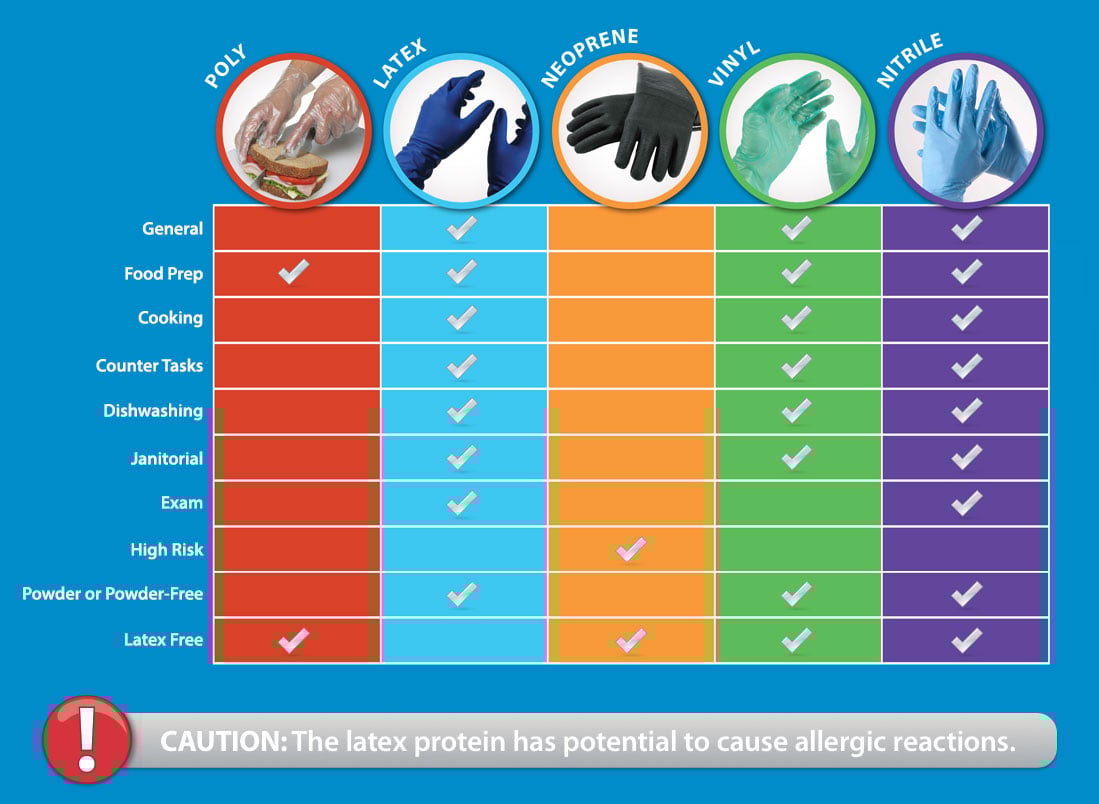
Chemical Resistant Gloves Chart Uk Images Gloves and Descriptions
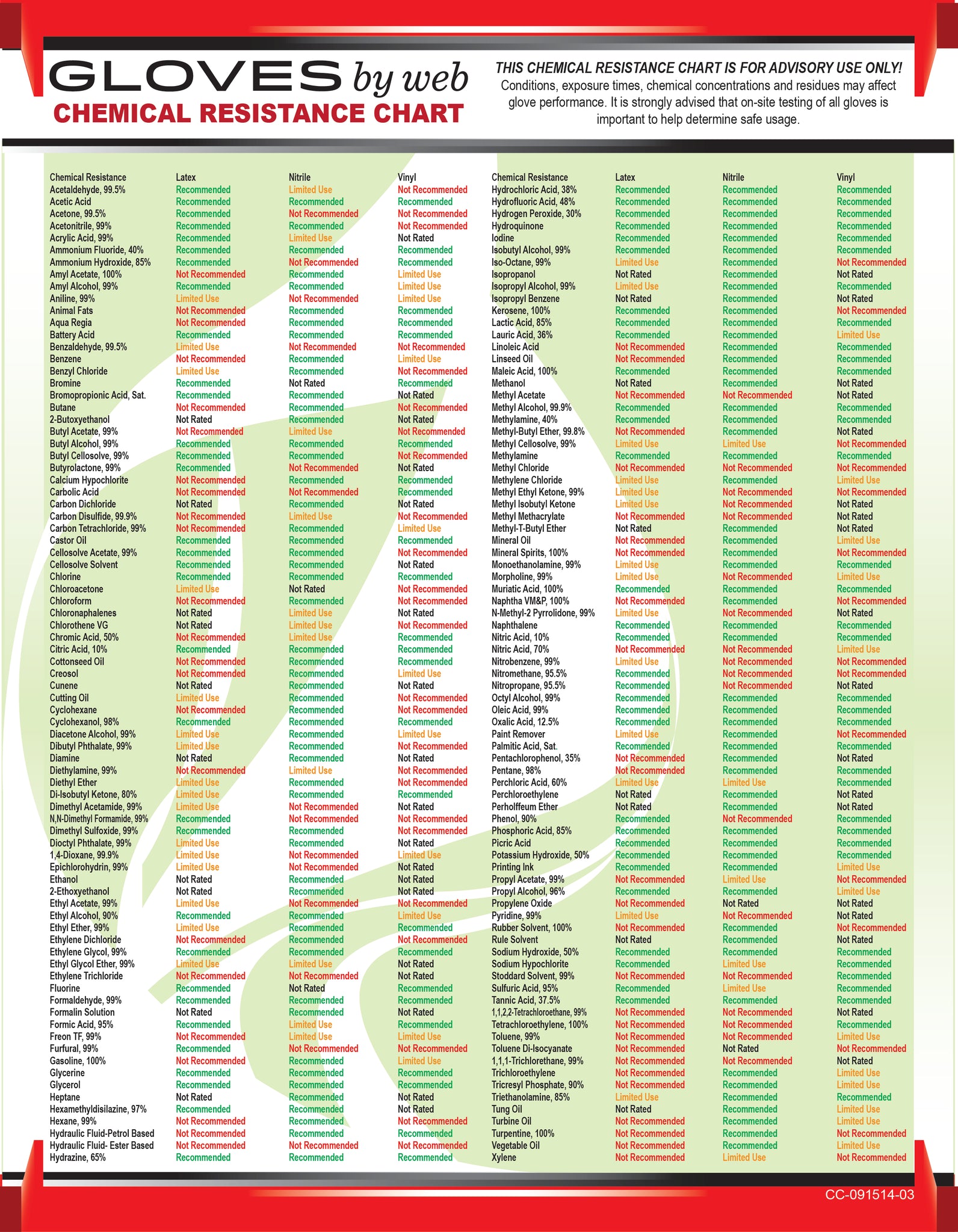
Chemical Resistant Gloves Chart A Visual Reference of Charts Chart
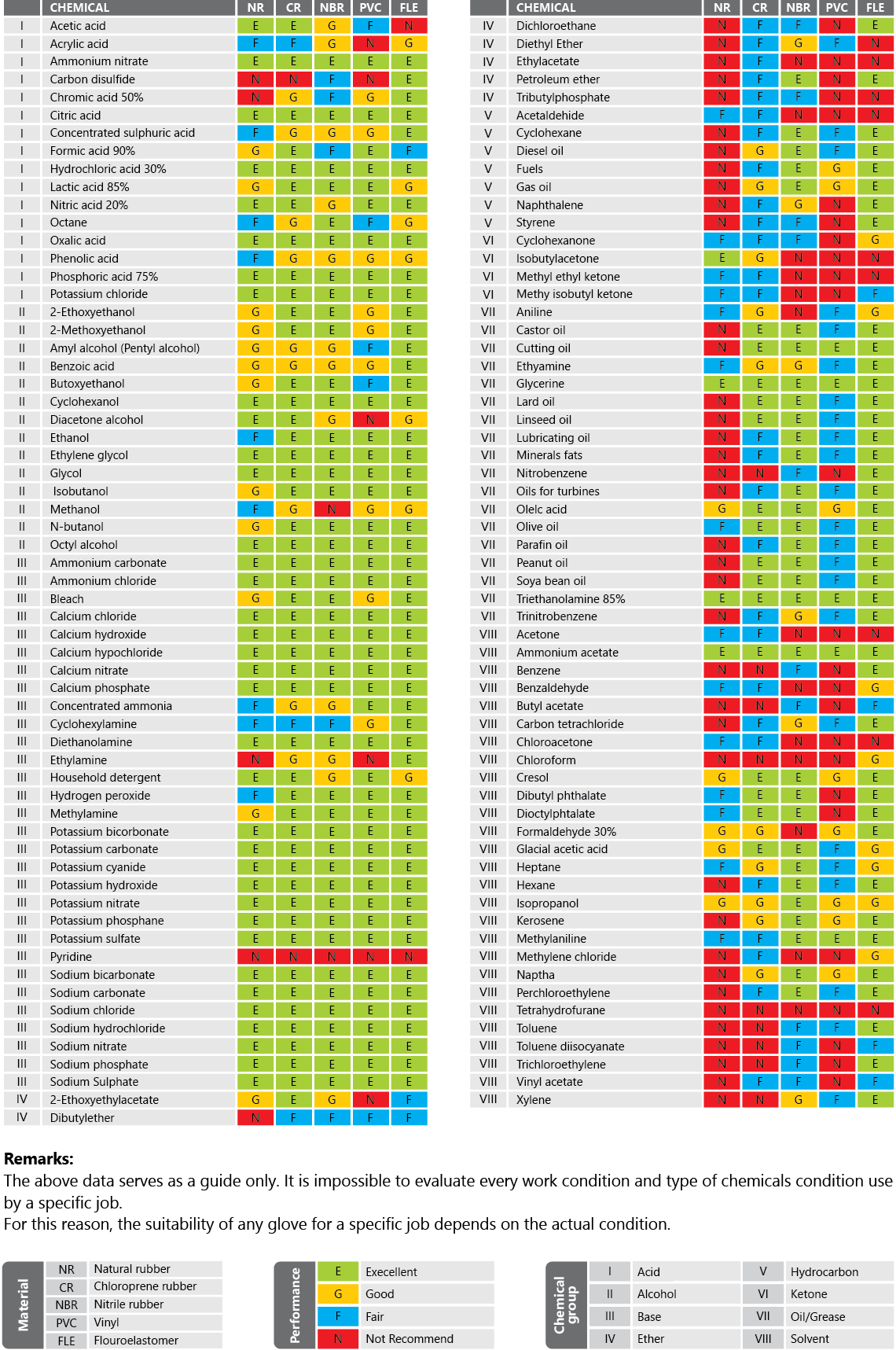
Chemical Resistant Gloves Chart Images Gloves and Descriptions

Neoprene Chemical Resistance Chart
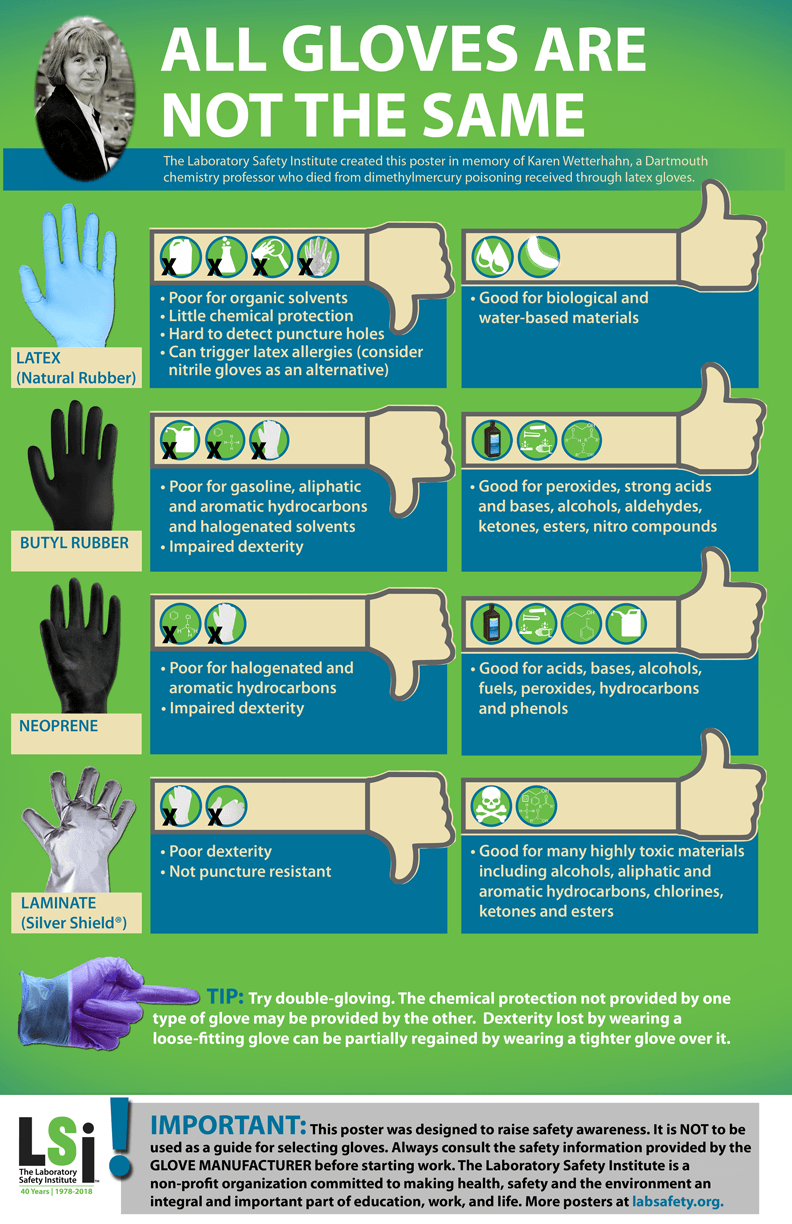
Chemical Resistant Gloves Chart
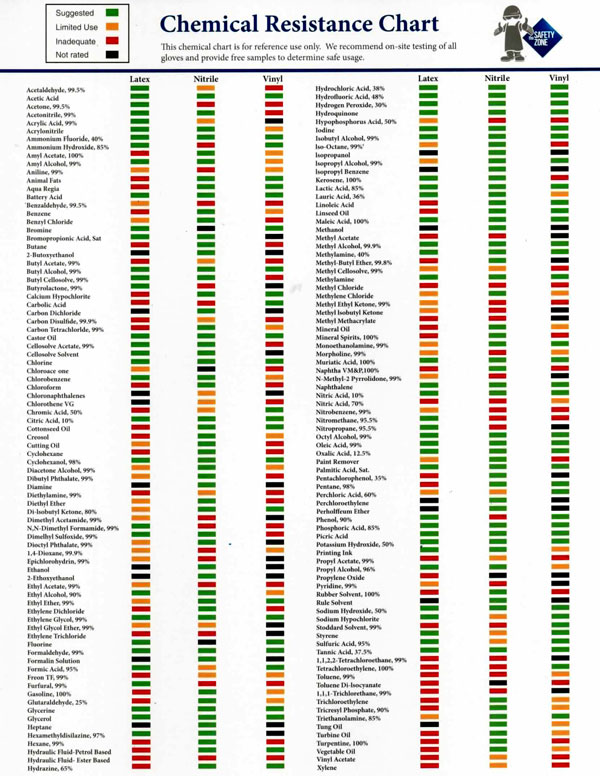
Latex, Nitrile, Vinyl Glove Chemical Resistance Chart Cleanroom Industry

Chemical Gloves, Chemical Resistant Gloves, Chemical Protective Gloves
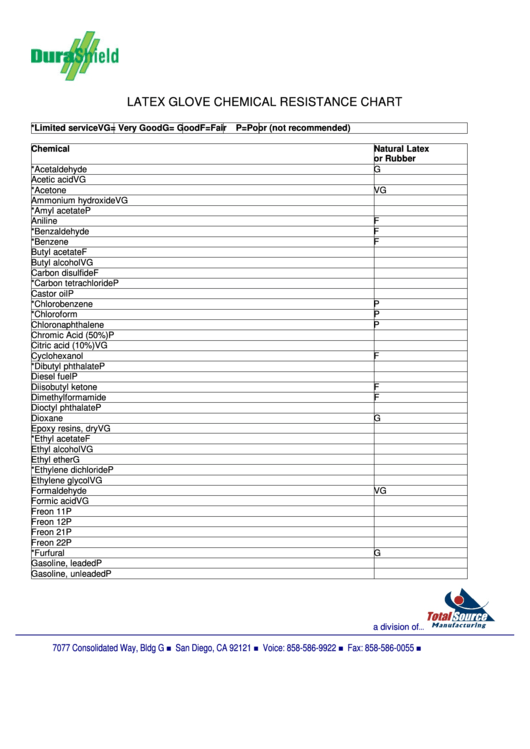
Latex Glove Chemical Resistance Chart printable pdf download

Glove Chemical Resistance Chart Helps in Choosing the Right Glove

Chemical Resistant Glove Chart Images Gloves and Descriptions
The Most Obvious Forms Of Degradation Are The Loss Of The Glove’s Strength And Excessive Swelling.
Web This Chemical Resistance Guide Incorporates Three Types Of Information:
Web Osha Glove Selection Chart.
Sas Safety Gloves Have Not Been Individually Tested Against These Chemicals.
Related Post: