
Ar Er Ir Verbs Chart
Ar Er Ir Verbs Chart - Take a look at the picture below. Correr (to run) = corr +. All you need to know is the “stem” of the verb. The chart below shows how to conjugate each type of verb in present tense. Web all spanish infinitives have one of three endings: Web the verb ir (to go) is one of the most frequently used verbs in spanish. Would you rather have this list of regular verbs in spanish in pdf format? You will find charts to master spanish verbs ending in. This guide will help you learn how to conjugate verbs correctly for past, present and future tenses. Spanish has three types of verbs. Web there are over 100 spanish verbs that end in ir and they differentiate themself by regular and irregular verbs. Download a printable version below. All you need to know is the “stem” of the verb. For these type of verbs, the ending or last part of the word will always be modified depending on the subject that the action is targeting. The basic rules for conjugating er and ir verbs; Web conjugating verbs in spanish is one of the most challenging parts of learning spanish as a second language. Yo, tú, él/ella, usted, nosotros/as, vosotros/as, ellos/ellas, ustedes. In this post, we will learn how to conjugate er and ir verbs. Web there are three types of regular verbs in spanish: Take a look at the picture below. In this post, we will learn how to conjugate er and ir verbs. Yo, tú, él/ella, usted, nosotros/as, vosotros/as, ellos/ellas, ustedes. In spanish, we can divide all our verbs into three main groups: Web conjugating verbs in spanish is one of the most challenging parts of learning spanish as a second language. The basic rules for conjugating er and ir. Cecie kraynak, ma, is a spanish teacher, esl coordinator, and author/editor of numerous spanish books, including spanish for dummies. Web 2.c regular present verbs: Ar, er, and ir, verbs. Web there are three types of regular verbs in spanish: It can be used on its own to mean go, or combined with a + infinitive verb to talk about a. Web spanish regular verb list: Vivir (to live) to conjugate a verb means to manipulate the infinitive so that it agrees with the different possible subjects. For these type of verbs, the ending or last part of the word will always be modified depending on the subject that the action is targeting. Yo, tú, él/ella, usted, nosotros/as, vosotros/as, ellos/ellas, ustedes.. Vivir (to live) to conjugate a verb means to manipulate the infinitive so that it agrees with the different possible subjects. Web spanish regular verb list: Vivir (to live) to conjugate a verb means to manipulate the infinitive so that it agrees with the different possible subjects. Web there are over 100 spanish verbs that end in ir and they. Vivir (to live) to conjugate a verb means to manipulate the infinitive so that it agrees with the different possible subjects. The different endings for er and ir verbs; The chart below shows how to conjugate each type of verb in present tense. Ar, er, and ir, verbs. Web all spanish infinitives have one of three endings: In this post, we will learn how to conjugate er and ir verbs. Web there are three types of regular verbs in spanish: Examples of how to conjugate er and ir verbs in sentences Correr (to run) = corr +. In spanish, we can divide all our verbs into three main groups: Here is the present tense conjugation of the infinitive “to speak”: Read on for ir conjugation charts and to learn all about ir! Use them to optimize your learning by starting with the most important verbs. Web there are over 100 spanish verbs that end in ir and they differentiate themself by regular and irregular verbs. Vivir (to live) =. Download a printable version below. Vivir (to live) to conjugate a verb means to manipulate the infinitive so that it agrees with the different possible subjects. Hablar (to speak) = habl +. Ar, er, and ir, verbs. Web verbs with spelling changes: This article is from the book: Web all spanish infinitives have one of three endings: Don't forget to print your copy of our spanish conjugation chart for regular verbs, because repetition is key! The subject pronouns that appear are: Web verbs with spelling changes: Web all spanish infinitives have one of three endings: Here’s a blog post on how to memorize conjugations in spanish that you can use to help you speak spanish fluently. All you need to know is the “stem” of the verb. The verbs that appear conjugated in the chart are: The verb form changes with each ending, subject, and in. Take a look at the picture below. Don't forget to print your copy of our spanish conjugation chart for regular verbs, because repetition is key! In spanish, we can divide all our verbs into three main groups: Download a printable version below. Spanish irregular present tense verbs fall into various categories: This guide will help you learn how to conjugate verbs correctly for past, present and future tenses. You will find charts to master spanish verbs ending in. It can be used on its own to mean go, or combined with a + infinitive verb to talk about a future action. Correr (to run) = corr +. The chart below shows how to conjugate each type of verb in present tense. Web the verb ir (to go) is one of the most frequently used verbs in spanish. We will learn the following: 38 regular ir and er verbs in spanish. Web there are over 100 spanish verbs that end in ir and they differentiate themself by regular and irregular verbs. The verbs that appear conjugated in the chart are: Examples of how to conjugate er and ir verbs in sentences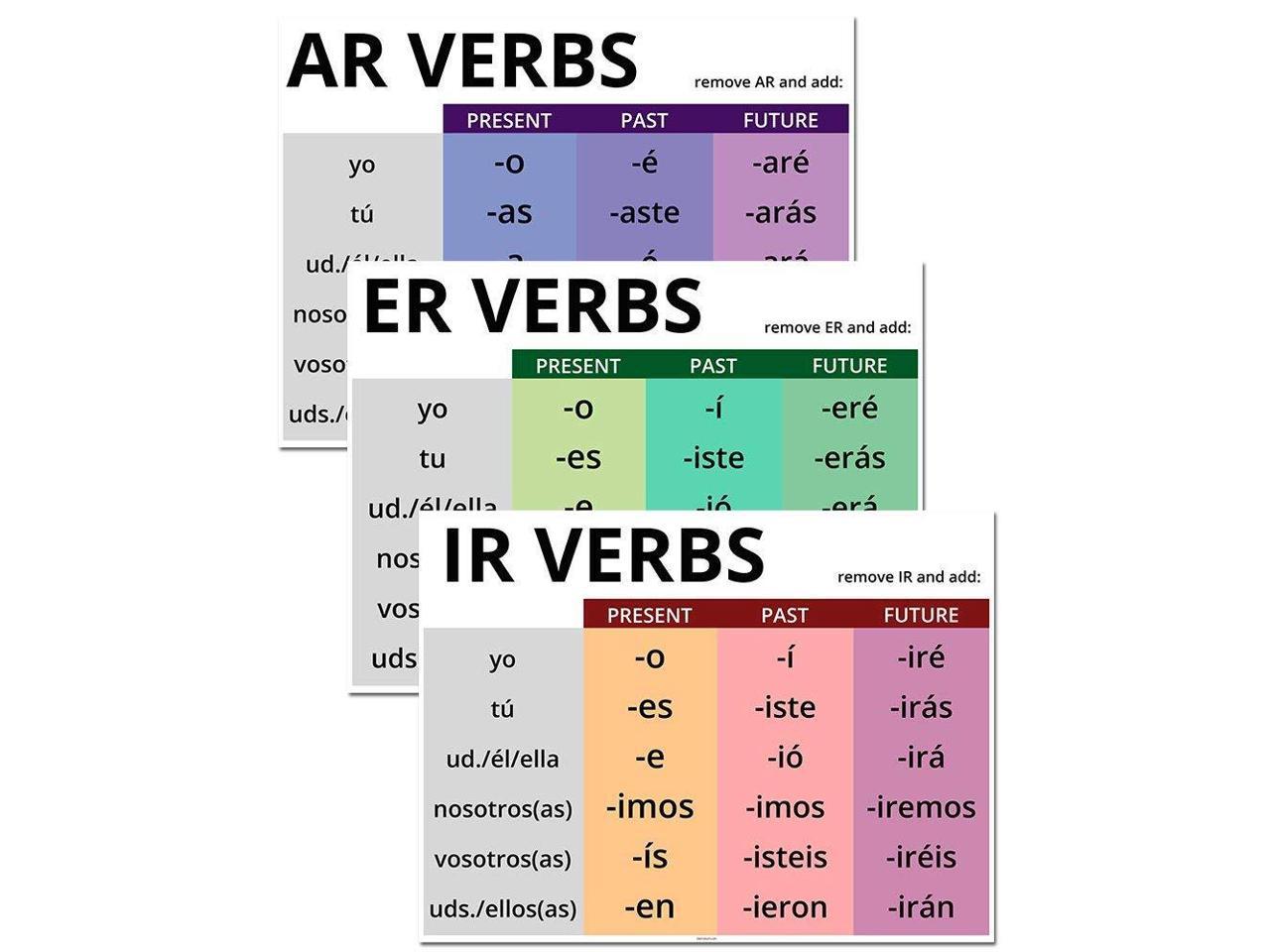
Ar Ir Er Chart Spanish
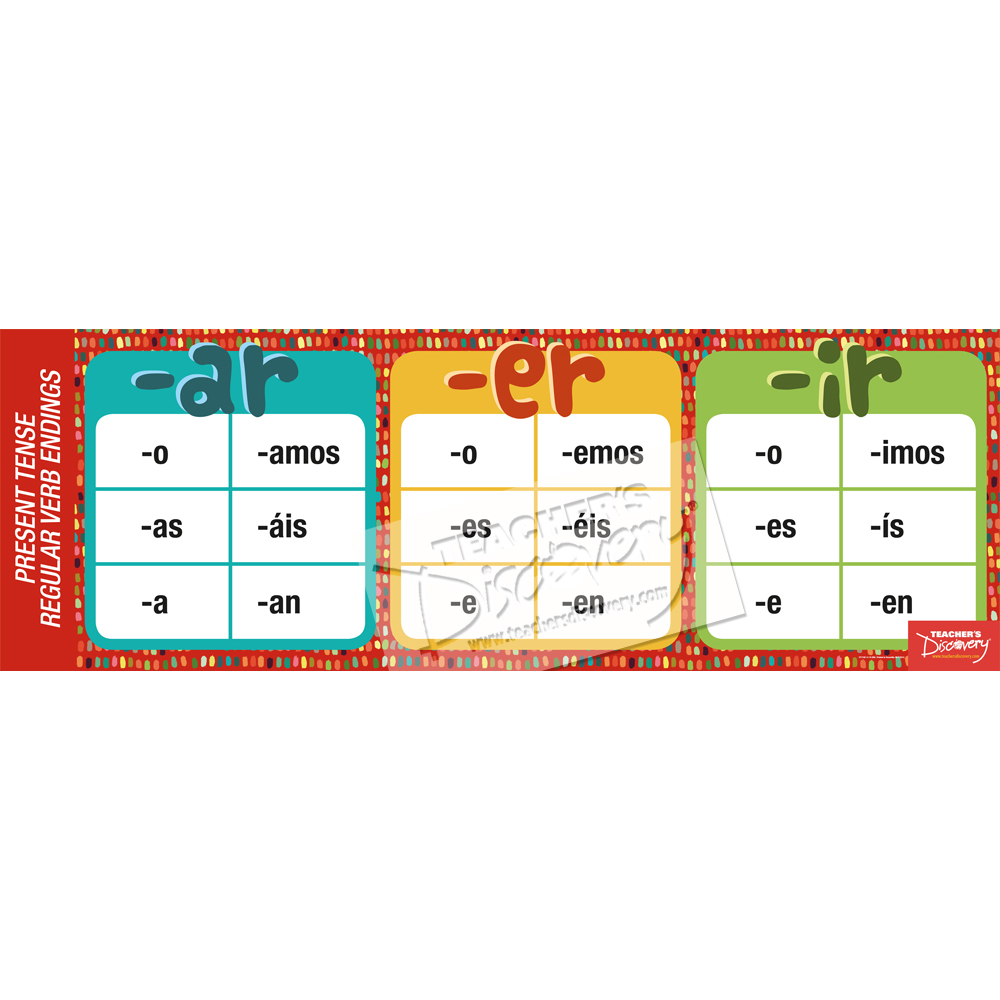
Spanish Conjugation Table Ar Er Ir Verbs Two Birds Home
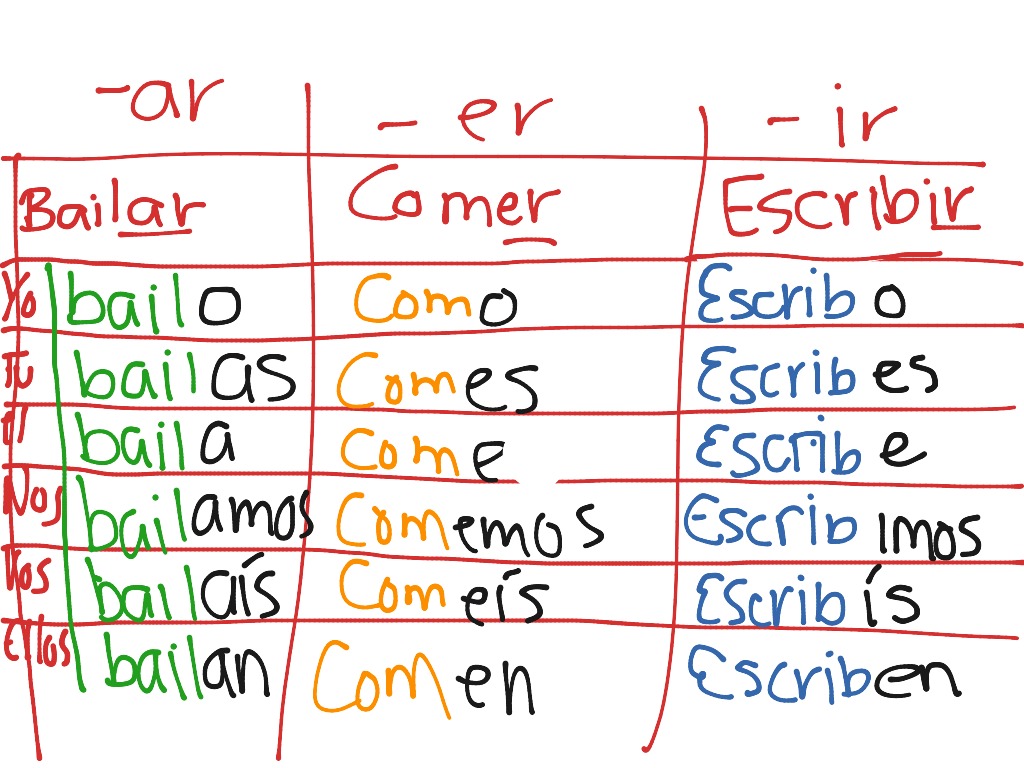
Ar Er Ir Spanish Conjugation Chart

Ar Er Ir Conjugation Chart
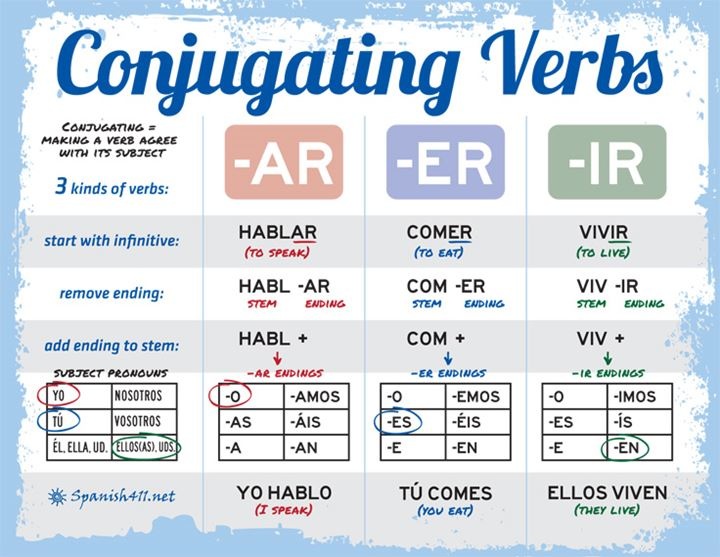
Present tense er and ir Español con Smith
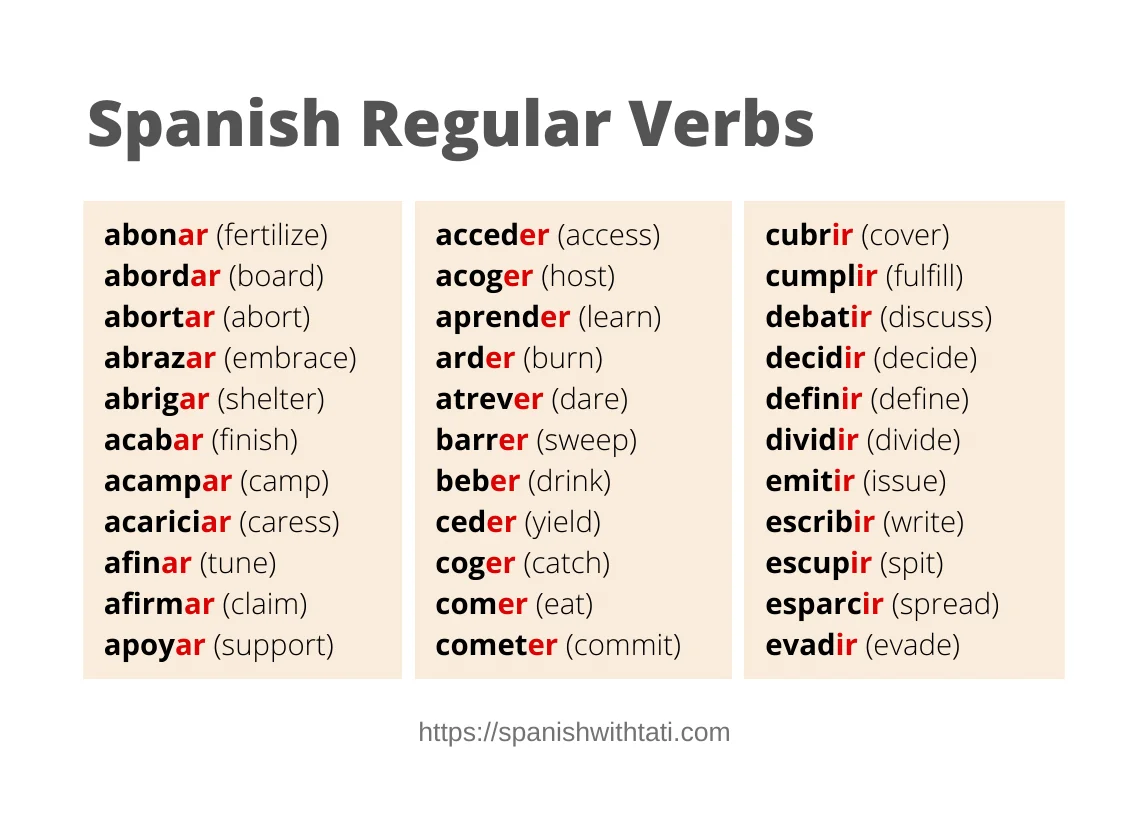
Spanish Regular Verb List AR, ER, and IR, Verbs
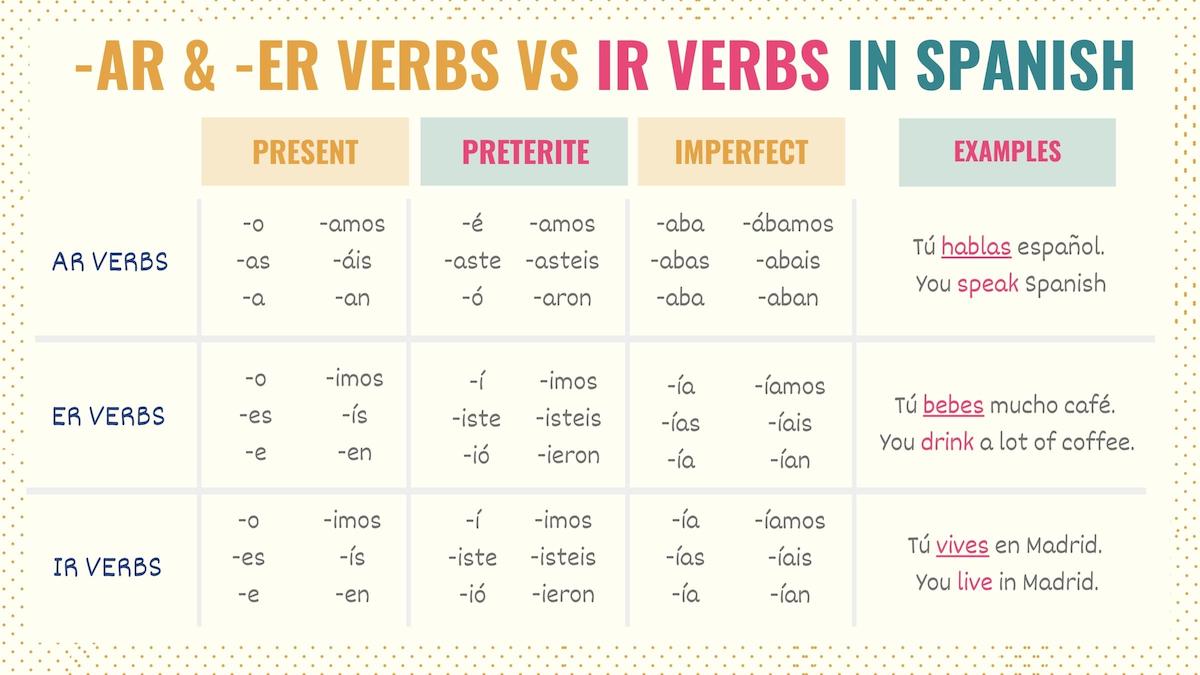
IR Verbs in Spanish 50+ Spanish Verbs & Conjugation Guide

Ar Ir Er Chart Spanish
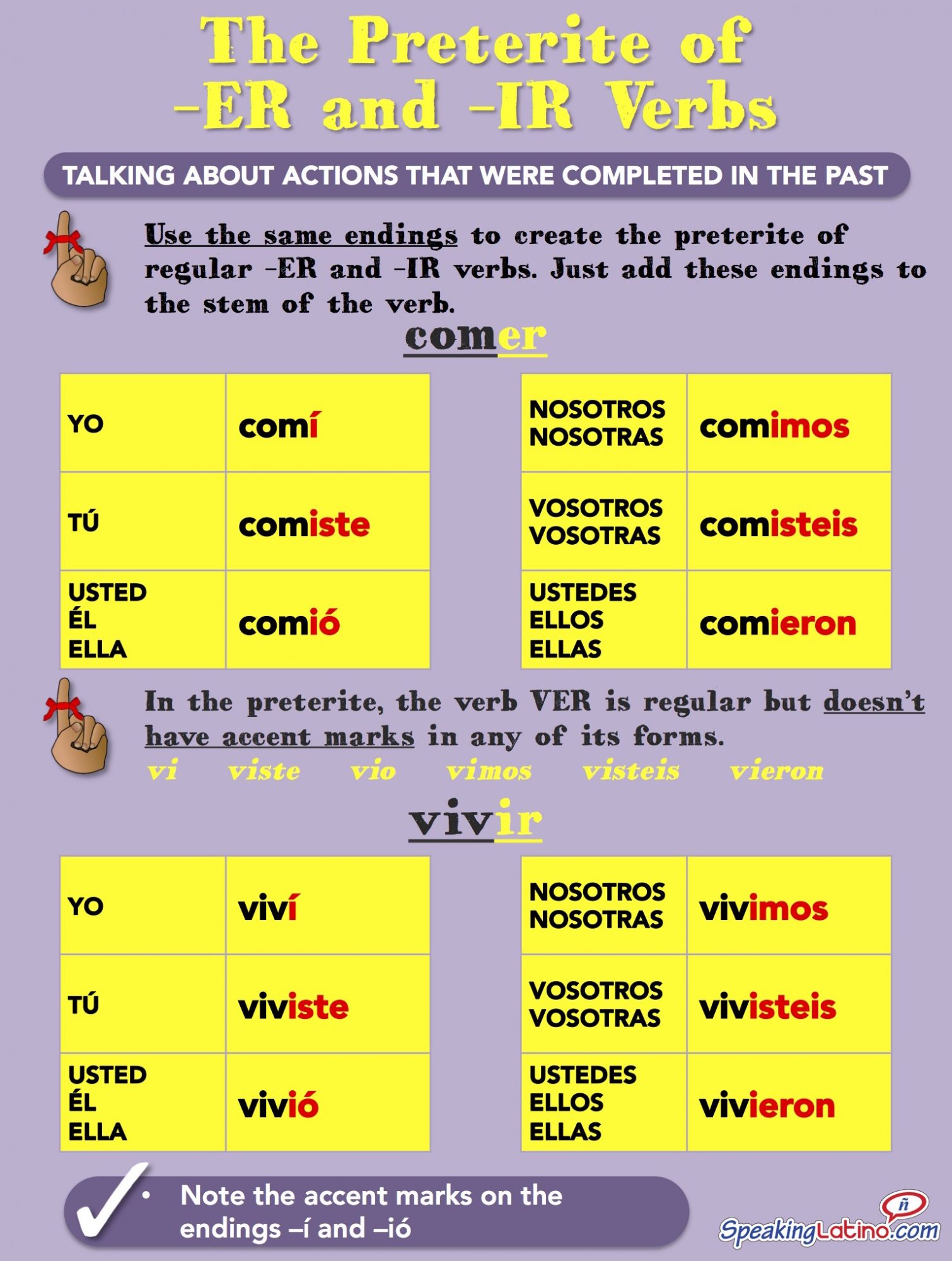
Preterite Regular AR ER IR Verbs Spanish Class Activities

Ar Er Ir Verb Chart
Web Conjugating Verbs In Spanish Is One Of The Most Challenging Parts Of Learning Spanish As A Second Language.
Web 2.C Regular Present Verbs:
The Different Endings For Er And Ir Verbs;
The Other Conjugations Receive An Accented “I” Except For The Verb Traer (To Bring).
Related Post: