
308 Twist Rate Chart
308 Twist Rate Chart - Web where there are two twist rates in common use, for example 1:10 and 1:12 for the.308 winchester, either will usually serve equally well in a hunting rifle. Web use the information on the twist rate & stability tables below to help pick the right bullet. Originally i was looking to make a m40a3ish clone but, the company i am working with is recommending a 21 1:10 twist. Web common.308 rifle twist rates. So, in very simple terms, the heavier the projectile (it is actually a function of bullet length and sectional density, but we are simplifying things here), the faster (lower number) twist rate you are likely to want to utilise. Heavier.30 caliber slugs exist, but a slightly faster twist will yield better results. Is most commonly barreled with a 1:12 twist. The following tables are based on the greenhill formula. 35gr varmint bullet and 90gr match bullet. This tool allows you to figure out which bullets will stabilize out of. Web how to select proper twist rate for your bullet size. Is most commonly barreled with a 1:12 twist. 35gr varmint bullet and 90gr match bullet. Web common.308 rifle twist rates. Of course, along with bullet length/design, you need to consider mv when choosing twist rate. Web matching twist rates and bullet weight. Web use the information on the twist rate & stability tables below to help pick the right bullet. I have a remington 700.308 and it will be sitting in a mcmillan a4. For rifles chambered for.308 winchester, as well as the 7.62×51 nato, the.308’s military sibling, twist rates can range from 1/14 to 1/7 for custom products. Web the ideal rate of twist for a 308 rifle would give the bullet a gyroscopic stability factor of 1.3 at minimum, although 1.5 is preferable if you are firing over longer ranges. Web i am trying to wrap my head around barrel length and twist rate. Most, however, will be somewhere around 1/10 through 1/12. Is most commonly barreled with a 1:12 twist. Web there are two twist rates commonly used for the.308 winchester, the 1:10 and 1:12 which serve well in hunting rifles. The sierra 168 grain matchking is 0.308 inches. Web where there are two twist rates in common use, for example 1:10 and 1:12 for the.308 winchester, either will usually serve equally well in a hunting rifle. Is most commonly barreled with a 1:12 twist. Web matching twist rates and bullet weight. Web there are two twist rates commonly used for the.308 winchester, the 1:10 and 1:12 which serve. Web the 1:10 twist standard to most.30 caliber cartridges will stabilize even long match bullets up to about 230 grains. For rifles chambered for.308 winchester, as well as the 7.62×51 nato, the.308’s military sibling, twist rates can range from 1/14 to 1/7 for custom products. So, in very simple terms, the heavier the projectile (it is actually a function of. Web i am trying to wrap my head around barrel length and twist rate. Web the ideal rate of twist for a 308 rifle would give the bullet a gyroscopic stability factor of 1.3 at minimum, although 1.5 is preferable if you are firing over longer ranges. Is most commonly barreled with a 1:12 twist. Web common.308 rifle twist rates.. Web the 1:10 twist standard to most.30 caliber cartridges will stabilize even long match bullets up to about 230 grains. I have a remington 700.308 and it will be sitting in a mcmillan a4. So, in very simple terms, the heavier the projectile (it is actually a function of bullet length and sectional density, but we are simplifying things here),. Web where there are two twist rates in common use, for example 1:10 and 1:12 for the.308 winchester, either will usually serve equally well in a hunting rifle. 35gr varmint bullet and 90gr match bullet. Of course, along with bullet length/design, you need to consider mv when choosing twist rate. The sierra 168 grain matchking is 0.308 inches in diameter. So, in very simple terms, the heavier the projectile (it is actually a function of bullet length and sectional density, but we are simplifying things here), the faster (lower number) twist rate you are likely to want to utilise. Web i am trying to wrap my head around barrel length and twist rate. Web the ideal rate of twist for. Many other factors are more important to accuracy and performance than twist rate. Is most commonly barreled with a 1:12 twist. Web there are two twist rates commonly used for the.308 winchester, the 1:10 and 1:12 which serve well in hunting rifles. I have a remington 700.308 and it will be sitting in a mcmillan a4. Web i am trying. 35gr varmint bullet and 90gr match bullet. Web the ideal rate of twist for a 308 rifle would give the bullet a gyroscopic stability factor of 1.3 at minimum, although 1.5 is preferable if you are firing over longer ranges. Web how to select proper twist rate for your bullet size. So, in very simple terms, the heavier the projectile. Web there are two twist rates commonly used for the.308 winchester, the 1:10 and 1:12 which serve well in hunting rifles. Of course, along with bullet length/design, you need to consider mv when choosing twist rate. Web how to select proper twist rate for your bullet size. Web the ideal rate of twist for a 308 rifle would give the. Web the ideal rate of twist for a 308 rifle would give the bullet a gyroscopic stability factor of 1.3 at minimum, although 1.5 is preferable if you are firing over longer ranges. Web use the information on the twist rate & stability tables below to help pick the right bullet. For rifles chambered for.308 winchester, as well as the 7.62×51 nato, the.308’s military sibling, twist rates can range from 1/14 to 1/7 for custom products. Heavier.30 caliber slugs exist, but a slightly faster twist will yield better results. This tool allows you to figure out which bullets will stabilize out of. So, in very simple terms, the heavier the projectile (it is actually a function of bullet length and sectional density, but we are simplifying things here), the faster (lower number) twist rate you are likely to want to utilise. Of course, along with bullet length/design, you need to consider mv when choosing twist rate. Web there are two twist rates commonly used for the.308 winchester, the 1:10 and 1:12 which serve well in hunting rifles. Web where there are two twist rates in common use, for example 1:10 and 1:12 for the.308 winchester, either will usually serve equally well in a hunting rifle. Web how to select proper twist rate for your bullet size. The following tables are based on the greenhill formula. The sierra 168 grain matchking is 0.308 inches in diameter and the bullet length is approximately 1.210 inches. Most, however, will be somewhere around 1/10 through 1/12. Web i am trying to wrap my head around barrel length and twist rate. Many other factors are more important to accuracy and performance than twist rate. Is most commonly barreled with a 1:12 twist.
308 Barrel Twist Rate Chart
308 Twist Rate Chart Bullet Weights & Barrel Twist Rates

Barrel Twist Rate Guide Why Is It Important?

How short can you go with a 308 barrel and be effective?
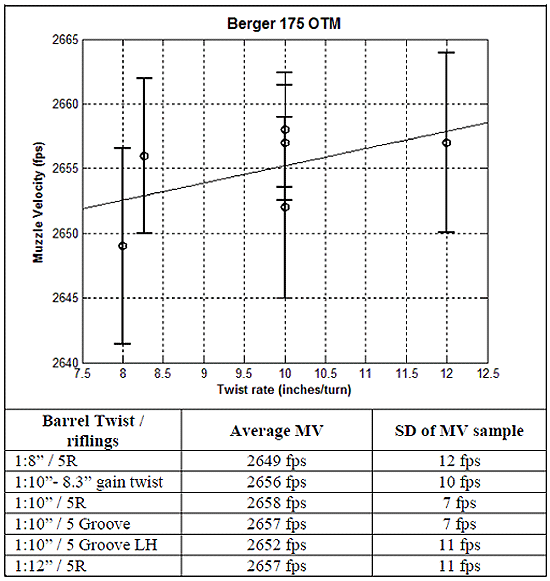
308 Twist Rates Bullet Weight Chart
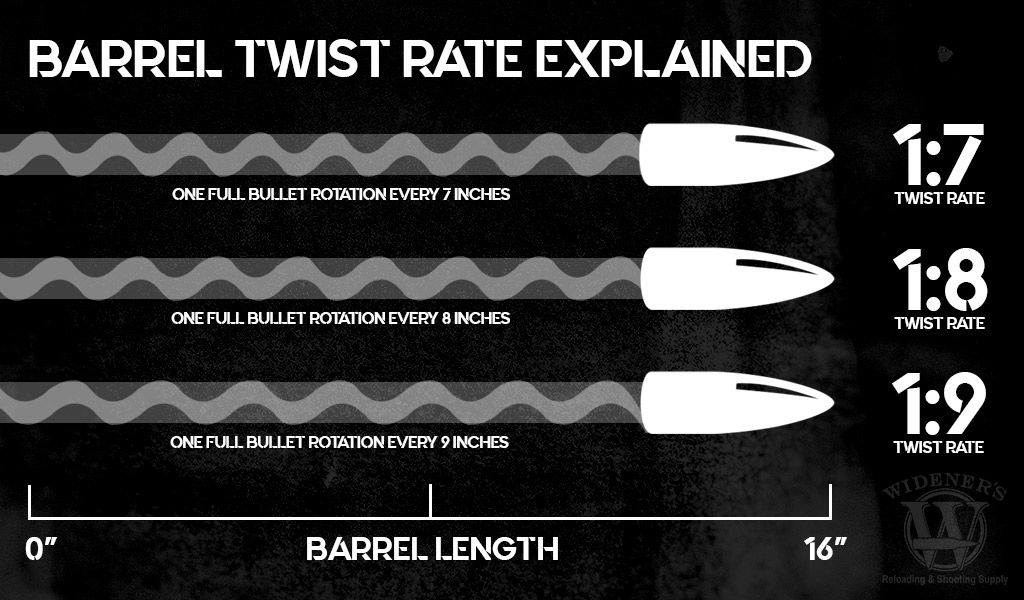
308 Twist Rate Bullet Weight Chart

How To Find the Ideal Twist Rate for Your Rifle

Rifle Barrel Twist Rate Chart

308 Barrel Twist Rate Chart

How To Find the Ideal Twist Rate for Your Rifle The Everyday Marksman
Originally I Was Looking To Make A M40A3Ish Clone But, The Company I Am Working With Is Recommending A 21 1:10 Twist.
Web Matching Twist Rates And Bullet Weight.
Web Common.308 Rifle Twist Rates.
I Have A Remington 700.308 And It Will Be Sitting In A Mcmillan A4.
Related Post: